Emotional Durability in Luxury Furniture: Why Some Pieces Never Feel Dated
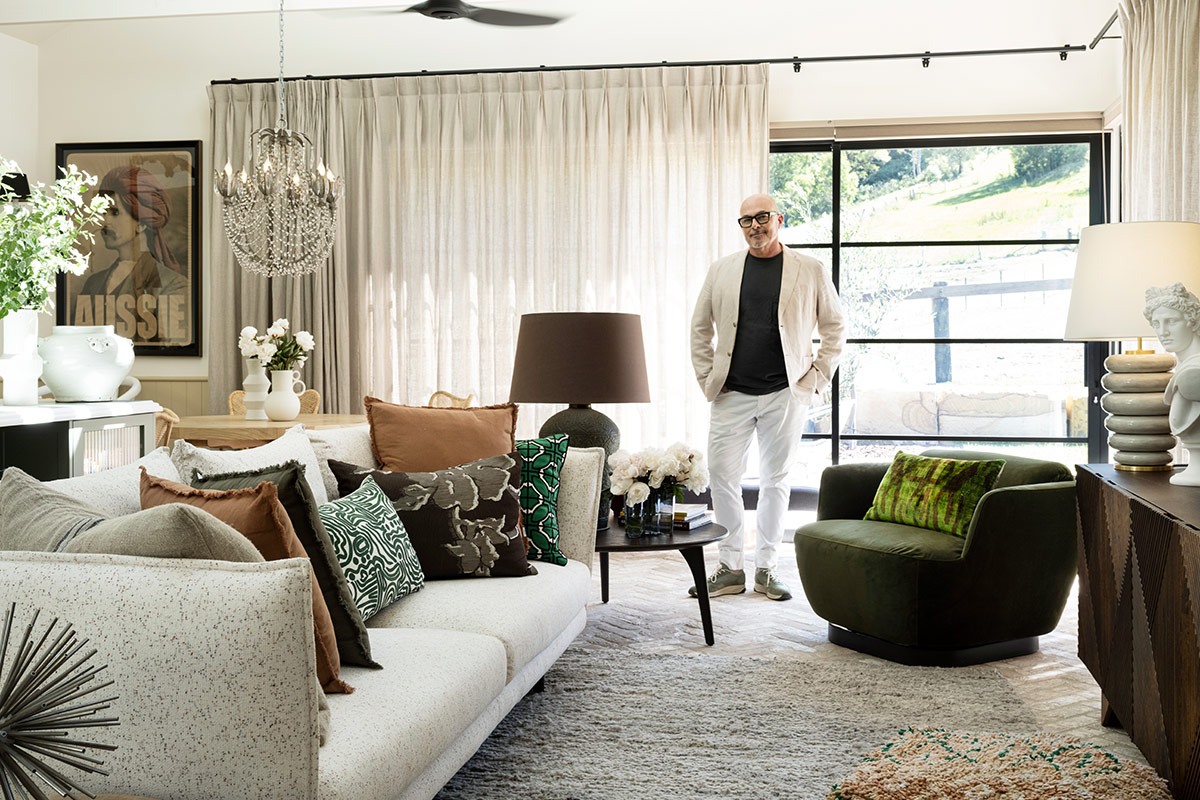
Exploring why certain furniture pieces remain relevant and loved long after design trends fade.
In the world of luxury interior design, trends come and go with remarkable speed. Yet certain furniture pieces—like a well-worn leather armchair, a solid wood dining table, or a classic Chesterfield sofa—continue to feel relevant and beloved decades after their initial purchase. This phenomenon, known as emotional durability, transcends fleeting design trends and creates furniture that becomes an integral part of our lives and homes.
The Psychology of Emotional Durability
Emotional durability refers to the ability of an object to maintain its relevance and emotional significance over time. Unlike physical durability, which measures structural integrity, emotional durability is about the bond between people and their possessions. Research from the 2025 International Design Psychology Journal suggests that emotionally durable furniture often has three key characteristics: narrative potential, sensory richness, and adaptive design.
Narrative potential is the capacity of a piece to accumulate stories and memories. A family dining table that has hosted countless meals, celebrations, and conversations becomes more valuable with each passing year, not despite its scratches and wear, but because of them. These marks become visual reminders of shared experiences, creating an emotional connection that transcends aesthetics.
Sensory richness plays a crucial role as well. High-quality materials like leather, solid wood, and natural textiles engage our senses in ways that synthetic alternatives cannot. The feel of leather as it ages, the warmth of wood grain, and the texture of hand-woven textiles create a multisensory experience that deepens our connection to the piece.
Adaptive design refers to furniture that can evolve with changing needs and tastes. Pieces with simple, timeless silhouettes can be reupholstered, refinished, or repurposed to suit different spaces and styles, ensuring they remain relevant as our lives change.
Why Some Pieces Stand the Test of Time
Certain furniture designs have demonstrated remarkable emotional durability across generations. The Eames Lounge Chair, for example, has remained popular since its introduction in 1956. Its timeless design, exceptional comfort, and high-quality materials have made it a staple in both modern and traditional homes. Similarly, the Chesterfield sofa, with its distinctive tufting and rolled arms, has maintained its appeal for over two centuries.
What these pieces have in common is a focus on essential design elements rather than trendy details. They prioritize comfort, craftsmanship, and material quality over fleeting stylistic flourishes. As a result, they don't compete with current trends—they transcend them.
The Role of Craftsmanship
Craftsmanship is a fundamental component of emotional durability. When a piece is carefully made by skilled artisans, it carries with it a sense of human touch and attention to detail that mass-produced items lack. This human element creates a deeper connection between the owner and the piece, as they appreciate the skill and care that went into its creation.
In my experience, clients who invest in handcrafted furniture often develop a stronger emotional attachment to their pieces. They understand the time, skill, and passion that went into creating something unique, which makes the piece more meaningful and valuable to them.
Building Emotional Durability into Your Home
Creating an emotionally durable home doesn't require filling it with expensive antiques or designer pieces. It's about making intentional choices that prioritize quality, meaning, and adaptability.
First, focus on quality materials and construction. Solid wood, full-grain leather, and natural textiles age gracefully and develop character over time. Avoid disposable furniture made from low-quality materials that will need to be replaced frequently.
Second, choose pieces with timeless designs. Look for simple silhouettes, balanced proportions, and minimal decorative elements. These pieces are more likely to remain relevant as styles change.
Third, consider the narrative potential of a piece. Will it be able to accumulate memories and stories? A dining table where family meals are shared, a sofa where children grow up, or a desk where important work is done—these pieces become part of your life story.
Finally, select furniture that can adapt to changing needs. Pieces that can be reupholstered, refinished, or repurposed will have a longer lifespan and continue to serve your needs as your lifestyle evolves.
Case Studies in Emotional Durability
One of my clients inherited a wooden dining table from her grandmother. Despite its scratches and dents, she chose to refinish it rather than replace it. The table now sits in her modern dining room, surrounded by contemporary chairs, and serves as a focal point for family gatherings. The scratches and marks tell the story of her family's history, creating a sense of continuity and connection across generations.
Another client invested in a handcrafted leather sofa for his living room. Over the years, the leather has developed a beautiful patina, and the sofa has adapted to various changes in his home decor. It has become a constant presence in his life, providing comfort and familiarity through career changes, moves, and life transitions.
Conclusion
Emotional durability is a powerful concept that challenges our disposable approach to furniture. By choosing pieces that prioritize quality, craftsmanship, and timeless design, we can create homes filled with furniture that grows with us, tells our stories, and remains relevant long after trends have faded.
In the end, the most valuable furniture isn't necessarily the most expensive or trendy—it's the pieces that become part of our lives,承载 our memories, and continue to bring us joy and comfort year after year. These are the pieces that truly stand the test of time, proving that emotional durability is the ultimate form of luxury.



Jane Doe
ReplyThis article really resonated with me! I've had my grandmother's armchair for 15 years, and even though it's not the most modern piece, I could never part with it because of the emotional connection. The article's explanation of emotional durability perfectly captures why some furniture pieces become part of our family story rather than just objects we own.