Practical Maintenance of Luxury Interiors: Preserving Materials and Value
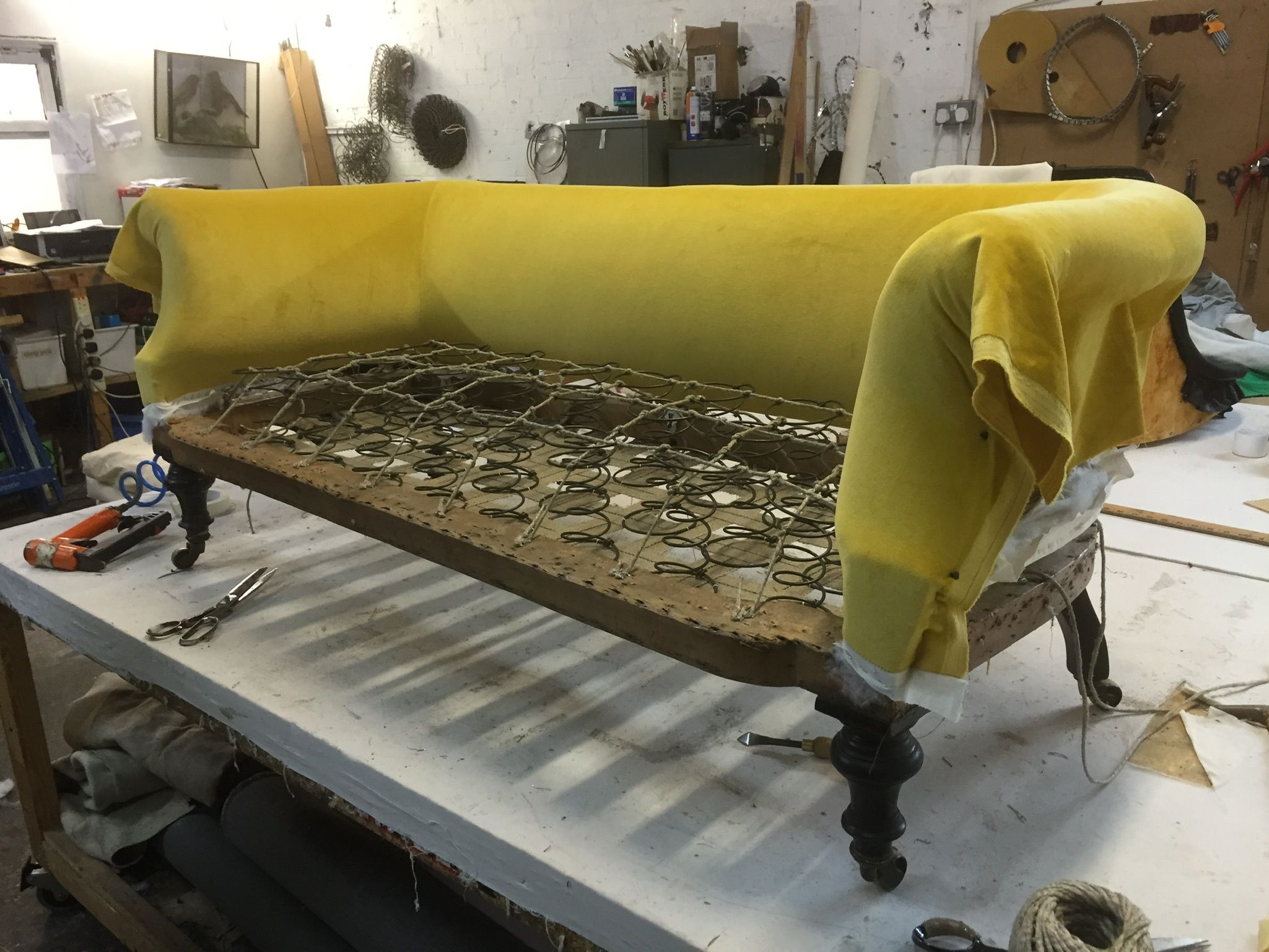
Professional guidance on how proper care of high-end furniture and materials sustains aesthetic, functional, and financial value over decades.
Luxury interiors are only as enduring as the care and attention they receive. For new homeowners, the acquisition of high-end furniture marks the beginning of a long-term commitment, not the conclusion of a design process. Even the finest materials—solid hardwoods, premium veneers, high-grade upholstery, and precision hardware—will degrade prematurely if maintenance routines are neglected. Understanding material-specific care, integrating preventive practices, and establishing a disciplined maintenance schedule are essential strategies for preserving both the aesthetic and functional value of luxury interiors over decades.
Wood and Veneer Care: Foundations of Longevity
Solid woods and high-quality veneers form the structural and visual backbone of luxury furniture. Their natural properties—density, grain, and hygroscopic behavior—make them highly durable but also sensitive to environmental conditions. According to the 2025 International Wood Preservation Study, consistent conditioning of oak, walnut, and ash significantly reduces micro-cracking and surface wear over time. Neglecting humidity control or failing to clean and condition surfaces accelerates the formation of fissures, warping, and finish degradation, even in pieces valued for long-term endurance.
Best practices include maintaining indoor relative humidity between 40% and 60%, avoiding direct sunlight that causes fading, and performing regular cleaning with non-abrasive, pH-neutral products. High-end homeowners often schedule annual refinishing or surface treatments to restore protective coatings, ensuring both structural stability and visual richness. Veneers, while thinner, demand equal attention; improper cleaning or moisture exposure can lift edges, discolor surfaces, and compromise the integrity of the underlying core.
Upholstery Maintenance: Fabric and Leather
Luxury upholstery extends beyond aesthetic preference; it encompasses tactile experience, ergonomic support, and durability. Leather, particularly full-grain and top-aniline types, benefits from periodic cleaning, conditioning, and avoidance of prolonged exposure to sunlight or heat sources. These practices preserve suppleness, prevent cracking, and allow the material to develop a rich, natural patina over time. The 2025 European Leather Quality Index indicates that full-grain leather retains over 80% of tensile strength after ten years under regular maintenance, whereas neglect leads to irreversible degradation within 3–5 years.
High-quality fabric upholstery, including tightly woven natural fibers and engineered performance textiles, requires vacuuming, rotation of cushions, and immediate attention to spills or stains. Abrasion resistance, measured in double rub cycles, is only one metric of durability; fabric recovery, pilling resistance, and exposure to light must also be considered. In practice, rotating and flipping cushions every few months distributes wear evenly and preserves shape, while professional cleaning every 12–18 months ensures deep hygiene and fiber longevity. Without these interventions, even premium textiles can sag, lose resilience, and visually age prematurely.
Hardware and Mechanical Systems: Ensuring Functional Reliability
High-end furniture often includes complex hardware—drawer slides, hinges, reclining mechanisms, and integrated storage components. These elements are engineered for tens of thousands of cycles, but their long-term reliability depends on regular inspection and maintenance. The 2024 European Furniture Mechanism Study found that semi-annual checks of mechanical systems reduced functional failure by over 35% in residential settings.
Routine actions include tightening screws, lubricating moving parts with manufacturer-recommended products, and replacing worn components promptly. Ignoring these tasks can compromise not only the tactile experience but also the structural integrity of adjacent frames, potentially leading to misalignment, stress fractures, or irreversible damage. For new homeowners, establishing a preventive maintenance schedule ensures that mechanical systems perform consistently and maintain the intended user experience.
Environmental and Contextual Considerations
Luxury furniture interacts continuously with its surrounding environment. Temperature fluctuations, indoor air quality, and lighting all impact material longevity. Wood expands and contracts with humidity changes; excessive dryness causes splitting, while high moisture levels promote swelling or mold. Upholstery materials are sensitive to ultraviolet light, which can degrade dyes and weaken fibers. Even metals and hardware can corrode when exposed to humidity or chemical cleaners.
Implementing environmental controls, such as humidifiers, window treatments to mitigate sunlight exposure, and avoiding placement near heating vents, protects investment and ensures consistent performance. Professional interior consultants emphasize the integration of maintenance with environmental strategy, creating a holistic approach to furniture preservation that extends functional and aesthetic life.
Professional Support and Scheduling
Many high-end homeowners engage professional maintenance services to maximize the longevity of their investment. Semi-annual inspections allow trained technicians to identify early signs of wear, tighten joints, condition leather, and evaluate surface integrity. Annual refinishing or upholstery care, performed under professional supervision, restores protective coatings and fiber resilience. Scheduling and documenting these interventions not only preserves material quality but also maintains resale value and aesthetic cohesion over time.
Cost-Benefit Perspective
While regular maintenance incurs time and financial investment, the long-term benefits far outweigh the initial expenditure. According to the 2024 Global Luxury Home Furnishing Survey, homes that adhered to structured maintenance routines experienced 42% lower cumulative replacement costs over ten years compared to those that relied solely on initial purchase quality. Beyond finances, proper care ensures that furniture remains emotionally and functionally satisfying, supporting daily routines, social interaction, and personal comfort.
Conclusion
Proper maintenance is not optional for luxury interiors—it is integral to ownership. For new homeowners, understanding material-specific care routines, mechanical system inspections, environmental strategies, and professional support ensures that high-end furniture retains its intended performance, beauty, and emotional resonance. True luxury is defined as much by preservation as by acquisition. By committing to disciplined, systematic care, homeowners transform furniture from a static investment into a living, evolving component of a home that remains elegant, functional, and experientially rich for decades.


Jane Doe
ReplyThe section about leather care was incredibly detailed and practical. I've been using the wrong products on my leather sofa for years, which explains why it's been looking dull and cracked. Following the article's advice about pH-balanced cleaners and conditioning has already made a noticeable difference in just a few weeks.
Jessica Brown
ReplyI never realized how much direct sunlight was damaging my furniture until I read this article. The discussion about UV protection and rotating pieces to ensure even wear was eye-opening. I've since installed UV-filtering window film and rearranged my furniture layout, and my pieces already look better protected.