Decision Framework for Anchor Pieces: What to Buy First and Why
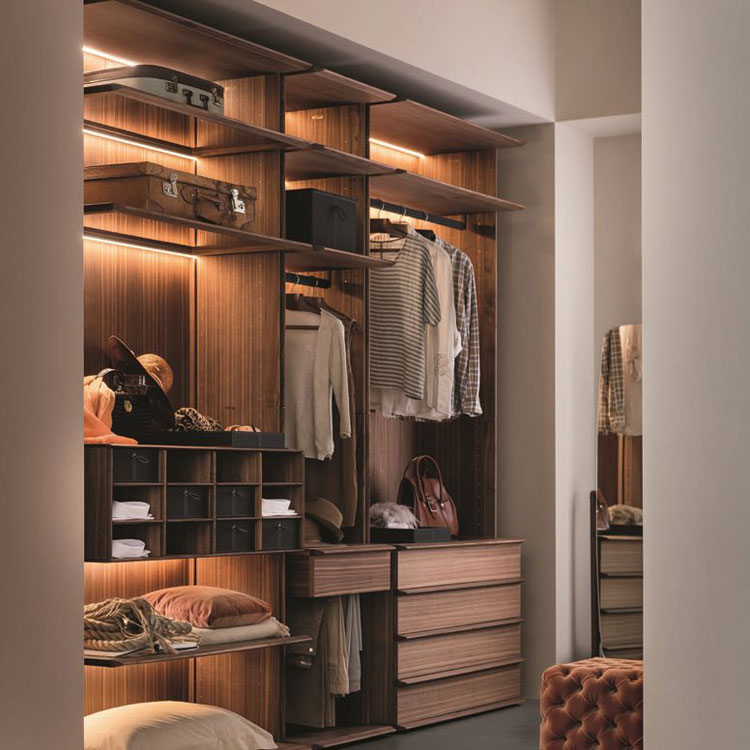
Expert guidance for new homeowners on prioritizing anchor furniture pieces to ensure functional and aesthetic foundation in luxury interiors.
Anchor pieces—such as sofas, dining tables, and beds—are not merely large furniture items; they are the structural, functional, and psychological foundation of a luxury interior. For new homeowners, misunderstanding the role of anchor pieces is one of the most common reasons interiors feel unstable, unfinished, or perpetually in need of adjustment. Purchasing anchor pieces first is not about sequence for convenience—it is a strategic framework that determines circulation, hierarchy, comfort, and long-term value across the entire home.
Understanding What Truly Qualifies as an Anchor Piece
Anchor pieces are defined by three characteristics: spatial mass, behavioral influence, and longevity. They occupy the greatest visual and physical footprint in a room, they dictate how people move and behave within that space, and they are expected to endure years—often decades—of daily use. Sofas anchor living rooms, dining tables anchor social rituals, and beds anchor physical recovery. These pieces are not interchangeable with secondary furniture; they set the rules that everything else must follow.
When anchor pieces are poorly chosen, even the most beautiful accessories or premium finishes cannot compensate. Conversely, when anchors are correct, a space can feel refined and coherent even before it is fully furnished. This is why professional interior planning always begins with anchor evaluation rather than decoration or styling.
Why Purchasing Anchor Pieces First Is Critical
New homeowners often make the mistake of filling rooms incrementally with smaller items—side tables, accent chairs, shelving—before committing to anchors. This creates a reverse hierarchy, where minor elements begin to dictate layout. Once this happens, anchor pieces must be compromised in size, orientation, or quality to fit an already cluttered framework.
By purchasing anchor pieces first, homeowners establish non-negotiable spatial truths: where circulation flows, where people gather, and where visual focus rests. Secondary items are then selected to support these truths rather than undermine them. This approach minimizes costly mistakes, reduces emotional frustration, and eliminates the need for repeated reconfiguration.
Spatial Authority and Hierarchy
Anchor pieces create spatial authority. A sofa placed correctly defines the living room’s axis and sets conversational geometry. A dining table establishes social scale and emotional distance. A bed determines the bedroom’s sense of calm or tension. Without clear authority, spaces feel ambiguous—people hesitate where to sit, how to move, or how to use the room.
High-end interiors rely on clear hierarchy rather than symmetry. The anchor piece must be immediately legible upon entry, grounding the space visually and functionally. When anchors are weak or competing elements are introduced too early, hierarchy collapses and the room feels chaotic or emotionally flat.
Circulation Planning and Human Movement
One of the most overlooked benefits of anchor-first planning is circulation clarity. Anchor pieces define primary and secondary movement paths. Professionals typically design around clearances of 900–1100 mm for major circulation routes, ensuring intuitive movement without negotiation.
When anchors are chosen last, circulation becomes reactive rather than intentional. Sofas block walkways, dining chairs collide with walls, and beds restrict natural movement. These issues are rarely noticed in showrooms but become daily irritations in real life. Anchor-first planning prevents these problems before they manifest.
Visualization as a Decision Tool
Scaled floor plans and 3D visualization are indispensable when selecting anchor pieces. These tools allow homeowners to test proportions, orientations, and relationships before committing financially. Visualization reveals how anchors interact with windows, lighting, sightlines, and architectural constraints.
For example, a sofa that appears compact in a showroom may dominate a living room once circulation clearance is applied. A dining table that feels generous in isolation may overwhelm a space when chairs are added. Visualization transforms furniture selection from emotional impulse into spatial engineering.
Material Investment and Longevity Strategy
Anchor pieces absorb the most physical stress and visual scrutiny. As such, they demand the highest material standards. Solid hardwood frames, reinforced joinery, premium upholstery, and modular construction are not luxuries—they are requirements for anchors.
According to multiple residential longevity studies, anchor pieces built with high-grade materials often last two to three times longer than trend-driven alternatives. Sofas designed for reupholstery, tables suitable for refinishing, and beds with replaceable components allow anchors to evolve rather than be discarded.
This longevity strategy shifts furniture purchasing from repeated replacement to long-term stewardship. Over decades, this approach is both financially efficient and emotionally satisfying.
Ergonomics and Daily Performance
Anchor pieces define daily comfort. A sofa that lacks proper support affects posture and relaxation. A dining table with poor proportions shortens meals and conversations. A bed with incorrect height or placement disrupts rest routines. These issues compound over time, subtly reducing quality of life.
Professionals evaluate anchors not just for appearance but for endurance—how they perform after hours of use, how they respond to movement, and how they support the body across different activities. This performance focus is what separates true high-end furniture from visually expensive but functionally weak alternatives.
Phased Furnishing and Emotional Control
Purchasing anchor pieces first enables phased furnishing. Once anchors are in place, homeowners can live in the space, observe real usage patterns, and make informed decisions about secondary furniture. This reduces impulse buying driven by excitement or anxiety.
Homes furnished this way feel intentional even when incomplete. Visual authority is established early, while flexibility is preserved for future adaptation. This phased approach aligns spending with lived experience rather than assumption.
Adaptability and Life Changes
Life evolves—families grow, routines shift, homes change. Anchor pieces selected with adaptability in mind support these transitions. Modular sofas, extendable dining tables, and beds compatible with different layouts allow interiors to respond to change without total replacement.
Anchors that are rigid, over-customized, or trend-specific often become liabilities when circumstances shift. Strategic anchor selection balances stability with flexibility, ensuring relevance across life stages.
Psychological Stability and Confidence
Beyond function, anchor pieces provide psychological grounding. A well-placed sofa invites relaxation. A properly scaled dining table encourages connection. A thoughtfully positioned bed signals rest. These cues reduce cognitive friction and enhance emotional comfort.
New homeowners often underestimate how deeply furniture influences mood and behavior. Anchor-first planning creates environments that feel secure, confident, and composed from the outset.
Conclusion
Purchasing anchor pieces first is the cornerstone of intelligent luxury interior planning. By prioritizing foundational furniture through disciplined evaluation, spatial visualization, ergonomic performance, and material foresight, new homeowners establish a stable framework that supports daily life and long-term evolution. Secondary furniture and decorative elements then fall naturally into place, guided by a clear hierarchy rather than guesswork.
True luxury is not built through accumulation or speed—it is built through a strong core that endures. Anchor pieces provide that core, transforming a house into a home that feels coherent, comfortable, and confidently designed for decades to come.




Jane Doe
ReplyThis article completely changed how I think about furnishing my home! I used to buy furniture piece by piece without considering how they work together, but now I understand the importance of anchor pieces. The framework for evaluating which pieces should be anchors was particularly helpful - I now know to invest more in my sofa and dining table since they're the foundation of my living spaces.
Jessica Brown
ReplyThe section about balancing investment across different anchor pieces was incredibly valuable. I was planning to spend equal amounts on all furniture, but now I understand that anchor pieces like sofas and beds deserve a larger portion of my budget since they're used most frequently and set the tone for the entire room. This has helped me allocate my furniture budget more effectively.