Managing Wear and Tear: Anticipating Everyday Use in Luxury Interiors
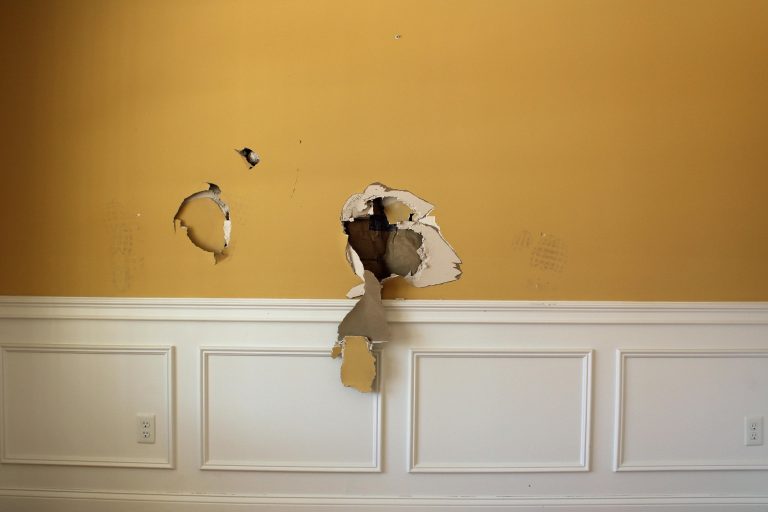
Professional strategies for mitigating the effects of daily wear and tear on high-end furniture, ensuring long-term performance and visual appeal.
Even the finest furniture experiences wear and tear over time. High-end interiors distinguish themselves from mass-market solutions not through invulnerability, but through proactive management of minor degradations before they compromise performance or aesthetics. Many new homeowners underestimate the cumulative impact of daily use, environmental conditions, and lifestyle behaviors, resulting in accelerated deterioration. Understanding wear patterns, preventive maintenance, and behavioral adjustments transforms furniture from fragile décor into enduring functional and visual assets.
Identifying High-Stress Zones: Understanding Usage Patterns
High-end furniture does not age uniformly. Certain areas endure concentrated stress, including seat edges, armrests, backrests, and table surfaces. Designers and consultants map these high-contact zones during planning, ensuring materials and construction methods are selected appropriately. According to the 2025 European Material Durability Study, seating areas reinforced with high-density foam and durable fabric coverings on armrests demonstrated a 30% increase in lifespan compared to standard construction. Similarly, dining table edges and high-use countertops benefit from protective coatings and precise joinery to resist dents, scratches, and abrasion over time.
Preventive Material Strategies
Proactive interventions significantly extend furniture longevity. Protective finishes, stain-resistant treatments, and felt pads under decorative or functional objects reduce surface abrasion and staining. For upholstered seating, rotating cushions periodically prevents uneven compression, while flipping reversible cushions maintains consistent wear across surfaces. Wood elements require periodic cleaning with pH-neutral products and conditioning with appropriate oils or waxes to maintain moisture balance and prevent micro-cracking, which can propagate unnoticed if neglected. Layering these preventive measures creates a robust defense against routine degradation and preserves both tactile comfort and visual integrity.
Behavioral Adjustments and Lifestyle Considerations
Homeowner habits exert a substantial influence on furniture durability. Small adjustments in daily behavior compound over years to protect materials. Recommended strategies include removing shoes before seating to reduce surface contamination, restricting pets from upholstered areas to prevent hair accumulation and claw damage, and limiting direct sunlight exposure that accelerates fading and material brittleness. Avoid placing hot or wet objects directly on wooden surfaces without protective coasters or mats. By embedding these conscious habits into household routines, new homeowners significantly reduce wear rates, maintaining performance and aesthetic authority over time.
Monitoring and Professional Intervention
Routine inspections are a cornerstone of luxury furniture ownership. High-end pieces often feature complex joinery, moving parts, and specialized upholstery that require professional attention to maintain peak performance. Checking for joint loosening, drawer or door alignment, minor scratches, or fraying fabrics at least semi-annually allows timely corrective action. Professional maintenance services provide targeted interventions such as hardware tightening, cushion re-stuffing, or refinishing localized areas before damage escalates. According to the 2025 Global Furniture Maintenance Survey, households that scheduled annual professional inspections experienced 22% longer functional life of primary seating and storage systems compared to households relying solely on informal observation.
Case Examples
In one residential project, a high-end leather sofa placed in a family living area underwent a preventive maintenance protocol that included quarterly cushion rotation, semi-annual leather conditioning, and careful sunlight management through UV-filtering blinds. Over seven years, the sofa exhibited negligible compression or color loss, and joints remained firm, demonstrating how consistent care preserves both tactile comfort and visual presence. Conversely, an identical model in an adjacent home, lacking structured preventive measures, required reupholstery after only four years due to uneven wear and leather cracking, highlighting the tangible benefits of proactive strategies.
Integrating Maintenance Into Lifestyle
Sustaining high-end furniture performance requires treating maintenance as part of the home ecosystem rather than as an occasional chore. Establishing a structured calendar for inspection, cleaning, rotation, and professional servicing aligns furniture longevity with daily routines. For new homeowners, embedding maintenance into lifestyle patterns—such as weekly dusting, monthly cushion checks, and annual professional servicing—ensures interventions are consistent and effective. This approach not only preserves materials but reinforces the emotional and aesthetic value of the investment over decades.
Conclusion: Luxury Is Sustained, Not Static
Anticipating and managing wear and tear is a core aspect of luxury furniture ownership. High-end interiors thrive because minor degradations are identified and addressed proactively, rather than allowing cumulative damage to diminish structural integrity or visual authority. By combining material-specific preventive measures, mindful behavioral adjustments, routine inspections, and professional maintenance, new homeowners safeguard both functionality and aesthetics. True luxury furniture is not defined solely by initial acquisition or appearance; it is measured by sustained performance, tactile satisfaction, and enduring visual impact achieved through attentive care and informed interaction. With these strategies, furniture remains a living, evolving component of the home, offering refinement, comfort, and authority for decades.



Jane Doe
ReplyThis article was incredibly helpful for me as a parent of young children! The section about anticipating wear and tear before purchasing furniture was eye-opening. I now look for pieces with removable, washable covers and durable fabrics that can withstand spills and rough play. The tip about choosing darker colors for high-traffic areas has saved my sofa from looking worn out too quickly.
Jessica Brown
ReplyThe section about regular maintenance was particularly valuable. I used to only clean my furniture when it looked dirty, but now I follow the article's advice to dust and vacuum regularly. This has prevented dirt from becoming embedded in the fabric and wood, keeping my furniture looking newer longer. The tips on using coasters and placemats have also helped protect my wooden surfaces from water damage.