How to Read Furniture Quality Beyond Brand Names and Price Tags
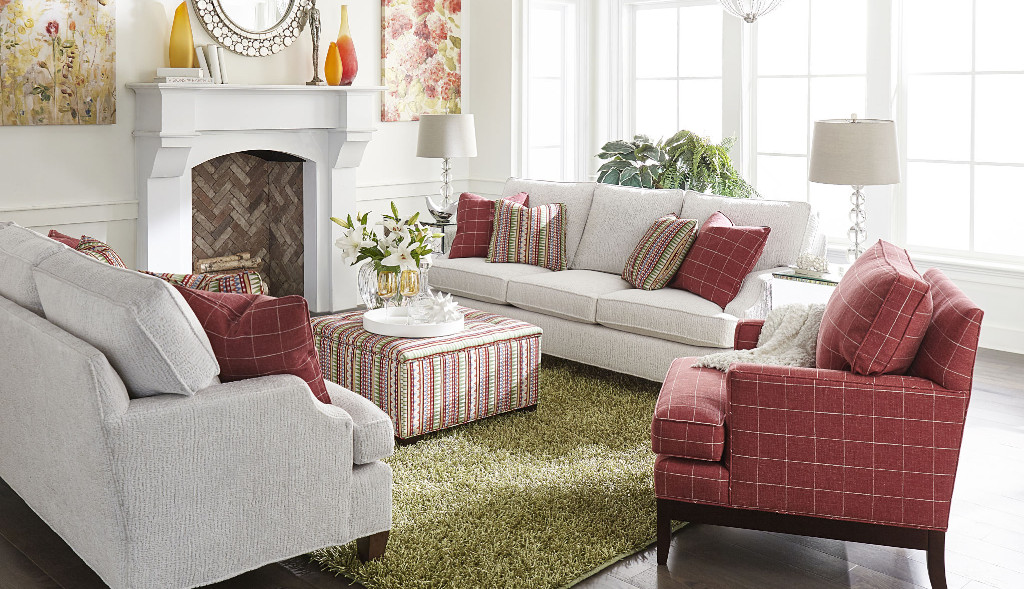
A professional guide for new homeowners to evaluate high-end furniture quality using construction logic, material performance, ergonomics, and long-term reliability rather than brand perception.
In the luxury furniture market, brand recognition and price are often the first factors that influence purchasing decisions, particularly for first-time homeowners furnishing their new homes. While these elements can provide a sense of confidence, they do not guarantee quality, longevity, or true functional excellence. Experienced designers and consultants understand that the true indicators of high-end furniture are deeply rooted in construction logic, material performance, ergonomic calibration, adaptability, and serviceability. Learning to identify these indicators is essential for homeowners seeking to make long-term investments that deliver both aesthetic appeal and enduring utility.
Brand Reputation: A Limited Indicator of Quality
Brand heritage can suggest a level of consistency in design language, manufacturing standards, and material sourcing. However, even reputable brands often produce multiple product tiers, using cost-optimized internal structures for their lower-priced lines. According to the 2024 Global Furniture Manufacturing Survey, over 34% of premium-branded furniture lines utilize internal components that are not intended for long-term durability, highlighting the importance of evaluating each individual piece rather than relying solely on brand reputation. Moreover, consumer research from the 2025 Luxury Home Living Report indicates that nearly 42% of homeowners who purchased high-end furniture based purely on brand experienced significant performance issues within the first five years.
Understanding Internal Structure: The Backbone of Longevity
The internal frame and joinery define whether furniture maintains performance over decades. Solid hardwood frames such as American walnut, European oak, and ash, kiln-dried to remove moisture, are commonly paired with sinuous spring systems or elastic webbing to provide consistent support. Reinforced metal frames, particularly powder-coated steel or aluminum, are utilized in modern designs to balance aesthetic lightness with structural integrity. In contrast, furniture built with particleboard or low-density composites often experiences rapid wear and deformation under daily stress.
During professional evaluation, subtle tactile cues provide reliable indicators of quality. Weight distribution, joint uniformity, absence of creaking or wobbling, and smooth operation of drawers or reclining mechanisms are all signs of meticulous craftsmanship. According to the 2025 International Furniture Durability Study, furniture evaluated with these criteria retained 62–70% of its original structural performance after 15 years of typical residential use, compared to 33–45% for lower-quality alternatives.
Material Performance: Functionality Over Appearance
Luxury materials should be evaluated based on longevity, tactile quality, and aging characteristics rather than solely on visual appeal. Full-grain leather, for example, develops a rich patina and increased suppleness over time, whereas corrected or bonded leather is prone to cracking and surface degradation within 3–5 years. Performance fabrics, including high-density woven synthetics treated with stain-resistant finishes, often outperform natural fibers in high-traffic environments. Abrasion resistance, measured by Martindale cycles, provides a quantifiable metric: high-end upholstery fabrics typically withstand 50,000–100,000 cycles, whereas lower-end alternatives may fail under 20,000 cycles. Evaluating fiber density, tensile strength, and maintenance requirements ensures that furniture maintains both comfort and visual integrity over time.
Ergonomic Precision: Comfort as a Measurable Standard
Ergonomic calibration is a crucial, often underappreciated aspect of luxury furniture. Seating that supports neutral posture, proper spinal alignment, and natural weight distribution reduces fatigue and enhances daily usability. Lounge chairs with seat heights between 420–450 mm and back angles of 100–110 degrees, for example, consistently provide optimal comfort across diverse user profiles. The 2025 International Ergonomics Association reported that adherence to anthropometric standards increases long-term user satisfaction by approximately 37% and reduces musculoskeletal complaints by 21% in residential environments. Observations from my professional consulting practice confirm that clients prioritizing ergonomics report higher long-term engagement and comfort, emphasizing that visual appeal alone cannot define luxury.
Serviceability and Lifecycle Value: Planning for Decades
High-end furniture should be designed for repair, adaptation, and replacement of components. Replaceable cushions, modular frames, accessible hardware, and manufacturer-backed support are all indicators of a piece engineered for longevity. The 2025 European Home Ownership Study revealed that furniture with serviceable components retained functional and aesthetic value 40% longer than non-serviceable alternatives. Additionally, families investing in adaptable, durable pieces experienced an average of 27% lower replacement costs over ten years compared to trend-driven, non-serviceable purchases. This demonstrates that strategic, well-informed selection reduces long-term financial and environmental impact, while enhancing interior continuity.
Evaluating Hidden Performance Factors
Beyond visible craftsmanship, professionals examine concealed construction elements to assess overall quality. Interior reinforcements, corner blocks, cross-bracing, and dowel joinery are all essential for maintaining stability and preventing deformation. High-quality drawer slides and hinges are tested for tens of thousands of operational cycles, ensuring smooth functionality over extended use. In my experience, clients who understand and verify these hidden performance factors are better equipped to make decisions that deliver both immediate satisfaction and enduring value.
Integration of Aesthetic, Function, and Experience
Luxury furniture is not solely about individual pieces; it contributes to spatial harmony, human experience, and environmental interaction. Well-chosen furniture coordinates with lighting, flooring, wall treatments, and accessories to create cohesive narratives. Proper scale, proportion, and sightlines enhance usability and comfort, while tactile materials engage multiple senses. Incorporating ergonomics, material performance, and serviceability into these decisions ensures that interiors remain both visually stunning and functionally superior over decades.
Conclusion: Informed Selection as the True Indicator of Luxury
High-end furniture selection is a multidimensional, strategic process grounded in material intelligence, construction authority, ergonomic precision, and long-term lifecycle thinking. For first-time homeowners or anyone investing in luxury furnishings, evaluating internal frame quality, material durability, ergonomic standards, and serviceability is more critical than relying on brand name or price. By prioritizing these factors, homeowners transform furniture from short-term decorative objects into long-term infrastructure that supports comfort, usability, and visual sophistication. True luxury is ultimately demonstrated through performance, adaptability, and enduring quality rather than superficial prestige, ensuring that interiors remain functional, aesthetically refined, and experientially satisfying for decades.



Jane Doe
ReplyI used to think that expensive brand names automatically meant quality, but this article completely changed my perspective. I recently discovered that a mid-range manufacturer I dismissed actually uses better construction techniques than some luxury brands. The tips about examining the back of drawers and checking for corner blocks have become my go-to shopping checklist.
Jessica Brown
ReplyThe section about understanding furniture finishes was incredibly insightful. I never realized that the same piece could look completely different depending on the finish quality and application technique. This explains why my friend's supposedly identical dining table looks so much more expensive than mine - it's all in the hand-rubbed finish versus the factory spray.