Custom Cabinetry: Blending Function, Luxury, and Personalization
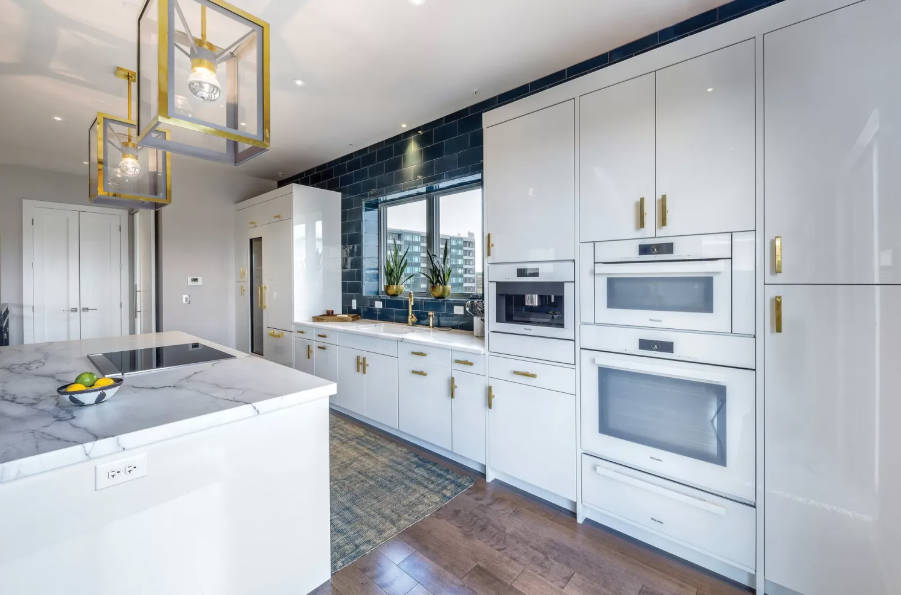
Designing bespoke storage solutions that reflect client lifestyle while elevating interior aesthetics.
Custom cabinetry in high-end residential interiors represents a sophisticated intersection of functionality, material intelligence, craftsmanship, and aesthetic refinement. Beyond providing storage, bespoke cabinetry serves as a defining element of interior narrative, reflecting both the lifestyle and personality of the client while reinforcing the designer's expertise, authority, and attention to experiential quality. Drawing from decades of professional practice, I have observed that thoughtfully executed cabinetry transforms ordinary spaces into immersive environments that balance utility, beauty, and emotional resonance. Material selection is central to the success of custom cabinetry. High-end projects require woods that are not only visually compelling but also durable, stable, and responsive to finishing processes.
Exotic hardwoods, engineered veneers, metals, glass, and composite laminates are chosen for their color, texture, and tactile richness. Surface treatments, hand-applied finishes, and protective coatings ensure longevity while preserving sensory appeal. Collaboration with skilled artisans ensures precision in joinery, inlay work, and detailing, conveying a sense of craftsmanship, authority, and trustworthiness in every element. Spatial intelligence underpins functional and ergonomic performance. Custom cabinetry must accommodate circulation patterns, human reach, and daily routines without disrupting the visual harmony of the room. Adjustable shelving, concealed compartments, pull-out work surfaces, and modular configurations allow for flexible, adaptive storage solutions that support diverse lifestyle needs.
Cabinets are proportioned with careful attention to ergonomics, ensuring that accessibility, usability, and comfort are integrated seamlessly. This human-centered design approach strengthens client confidence in both the practical and aesthetic outcomes. Aesthetic integration ensures that cabinetry functions as both furniture and architectural component. Proportions, scale, and detailing are calibrated to complement surrounding furnishings, lighting strategies, and architectural features. The choice of finishes—from matte, polished, or textured surfaces to metallic accents—reinforces visual cohesion and spatial narrative. Thoughtful alignment of cabinetry with sightlines, focal points, and circulation flow elevates interiors, creating a seamless luxury experience that is both visually and experientially engaging. Customization extends to technological integration.
Hidden lighting, embedded controls, and motorized elements can be incorporated into cabinetry to enhance functionality while maintaining clean lines and visual elegance. These features improve accessibility, adaptability, and user comfort, aligning high-tech solutions with the tactile and aesthetic integrity of the design. The combination of smart functionality with artisanal craftsmanship underscores the designer's authority, foresight, and experiential expertise. Sustainability is a key consideration in contemporary luxury cabinetry. Responsibly sourced hardwoods, low-impact finishes, recycled metals, and environmentally sensitive production methods reduce ecological footprint while maintaining high-end quality. Lifecycle analysis, repairability, and material longevity are prioritized to ensure that cabinetry remains functional and visually compelling for decades.
This commitment to environmental responsibility communicates credibility, ethical awareness, and professional authority, resonating with clients who value both luxury and conscientious design. Materiality and texture contribute to experiential depth. Smooth and tactile surfaces, natural wood grains, metallic highlights, and matte finishes interact with natural and artificial lighting to create layers of visual and sensory interest. These subtle variations encourage engagement, invite touch, and enhance the perception of spatial richness. By considering these details, designers guide inhabitant interaction, reinforce emotional connection, and elevate the overall interior experience. Craftsmanship and attention to detail are integral to creating cabinetry that embodies luxury. Techniques such as hand-planed surfaces, precision joinery, inlays, and custom hardware ensure that every element communicates intention and skill.
These details provide narrative depth and reinforce trust, signaling that both functional and aesthetic quality have been executed with authority and mastery. Artisanal collaboration enables integration of traditional techniques with contemporary design sensibilities, producing cabinetry that is timeless, durable, and visually compelling. Furniture placement and cabinetry design are coordinated to optimize both visual and functional outcomes. Integrated storage solutions are aligned with circulation pathways, sightlines, and focal points, ensuring that movement through the space is intuitive and unobstructed. Modular and adaptive elements allow residents to adjust storage to seasonal, lifestyle, or functional needs, reinforcing flexibility, usability, and client empowerment. These strategies exemplify human-centered design and experiential consideration in luxury interiors. Ultimately, custom cabinetry serves as a convergence point for multiple design dimensions: functional intelligence, material sophistication, aesthetic sensitivity, sustainability, and experiential refinement.
When executed thoughtfully, cabinetry becomes a signature element that communicates luxury, trustworthiness, and professional authority. It enhances visual harmony, supports ergonomic performance, and elevates the emotional resonance of the space, embodying the principles of high-end residential design. In conclusion, bespoke cabinetry in luxury interiors transcends mere storage to become an instrument of spatial storytelling, tactile engagement, and refined living. Through careful material selection, precision craftsmanship, ergonomic planning, sustainable practices, and aesthetic integration, designers create furniture that enriches both the visual and functional experience. This holistic approach ensures interiors that are not only luxurious and beautiful but also highly usable, adaptable, and emotionally resonant.
Custom cabinetry thus exemplifies the intersection of authority, expertise, and experiential mastery in contemporary high-end residential design, delivering enduring value, comfort, and aesthetic satisfaction for discerning clients.



Jane Doe
ReplyThis article completely changed how I think about custom cabinetry! I invested in custom kitchen cabinets that maximize storage space and match my design aesthetic, and the difference is remarkable - my kitchen is now both functional and beautiful. The section on customization options was particularly valuable - I was able to choose the exact wood, finish, and hardware. I also appreciated the tip about functionality - my cabinets include pull-out drawers and built-in organizers that make cooking and cleaning a breeze.