Eco-Luxury Interiors: Merging Sustainability with High-End Aesthetics
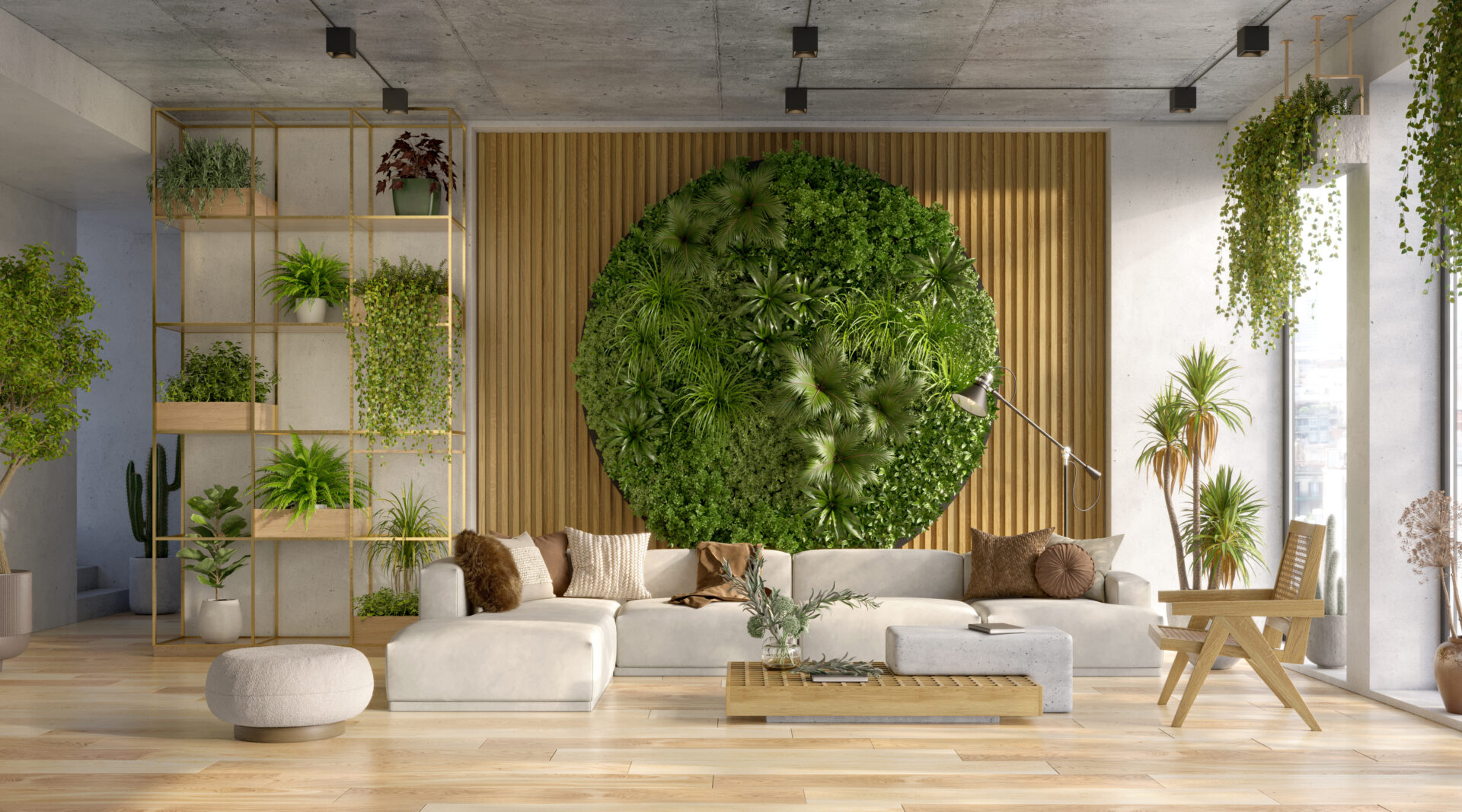
Strategies for integrating sustainable practices without compromising luxury and elegance.
Eco-luxury furniture design represents a progressive approach to high-end residential interiors, demonstrating that sustainability, functionality, and aesthetic refinement can coexist harmoniously. My professional experience spanning decades of consultancy and collaboration with architects, artisans, and clients reveals that integrating environmentally responsible practices into luxury design not only enhances ethical credibility but also elevates the sensory, emotional, and spatial quality of interiors. For clients new to residential design or those seeking guidance on creating environmentally conscious yet sophisticated spaces, understanding the principles behind eco-luxury furniture is essential for achieving a balance between sustainability, functionality, and refined aesthetics. Material sourcing lies at the foundation of eco-luxury design.
Responsibly harvested hardwoods, reclaimed or recycled metals, bio-based composites, and sustainably processed textiles offer both visual richness and tactile pleasure while minimizing ecological impact. Each material is evaluated not only for aesthetic appeal but also for durability, maintenance requirements, and lifecycle performance. For example, FSC-certified woods retain structural integrity and develop a patina over time, while recycled metals and engineered composites can offer both strength and visual sophistication. This conscientious material selection communicates authority and reliability, assuring clients that environmental responsibility does not compromise luxury or experiential quality. Craftsmanship plays a central role in eco-luxury interiors, ensuring that sustainable materials are transformed into durable, visually compelling furniture.
Techniques such as precision cutting, modular assembly, multi-purpose design, and hand-finishing reduce waste while enhancing form, function, and tactile experience. Collaborative prototyping with skilled artisans ensures that bespoke furniture maintains exacting standards without sacrificing ergonomics, proportion, or visual balance. Artisans trained in sustainable practices uphold both quality and environmental responsibility, reinforcing credibility, trust, and authority in the design process. Spatial planning is essential to maximize the synergy between sustainability and luxury. Thoughtful furniture placement, circulation planning, and interaction with natural elements—daylight, ventilation, greenery—create interiors that feel immersive, responsive, and emotionally engaging. Large windows, skylights, and glass walls frame views of outdoor gardens, terraces, or natural surroundings, allowing sunlight to complement materials and highlighting the texture, color, and finish of furniture.
Eco-luxury design leverages these interactions to foster experiential richness, ensuring that inhabitants experience a connection with their environment while maintaining functional comfort. Lighting strategy in eco-luxury interiors integrates both natural and artificial sources to support energy efficiency, human well-being, and material presentation. Dimmable LED systems, solar-adapted glazing, and strategically positioned luminaires reduce energy consumption while enhancing perceived depth, color fidelity, and spatial hierarchy. Light modulation interacts with the materiality of furniture—polished metals, textured woods, woven fabrics—accentuating their intrinsic qualities and reinforcing an immersive, luxurious experience. Ergonomics and human-centered design remain uncompromised in eco-luxury furniture.
Seating, work surfaces, modular units, and multi-functional elements are calibrated for comfort, accessibility, and long-term usability. Anthropometric studies inform seat height, backrest curvature, cushion density, and surface reach, ensuring that furniture supports posture, circulation, and interaction. Integrating ergonomic principles with sustainable materials communicates both expertise and care, demonstrating that eco-conscious design can elevate human experience without sacrificing aesthetic refinement. Material and spatial synergy further enhances eco-luxury impact. Textures, finishes, and forms are coordinated to create visual coherence while highlighting sustainable sourcing. For example, a reclaimed wood dining table paired with natural fiber upholstery and recycled metal accents harmonizes tactile, visual, and environmental narratives.
Layering textures and finishes, combined with careful lighting and spatial orchestration, transforms interiors into living environments where sustainability, luxury, and sensory engagement intersect. This multidimensional approach provides clients with a tangible understanding of how responsible choices enhance both aesthetics and experiential quality. Customization and personalization are vital to eco-luxury design. Bespoke furniture dimensions, unique combinations of sustainable materials, and tailored finishes enable clients to express identity and lifestyle while remaining environmentally conscious. Collaborative design processes ensure that choices reflect occupant needs, preferences, and ethical values, reinforcing trust and credibility. Personalization also allows for flexible, modular solutions that adapt to changing family dynamics, seasonal requirements, or evolving functional needs, demonstrating foresight and authority in design strategy. Maintenance, longevity, and lifecycle planning are integral considerations.
High-end clients expect furniture to maintain beauty and function over decades. Eco-luxury design integrates durable finishes, low-impact protective coatings, and renewable materials to ensure that pieces age gracefully, reduce replacement cycles, and minimize environmental burden. Such attention to durability communicates both material intelligence and responsible stewardship, reinforcing the perception of enduring value. Psychological and emotional benefits of eco-luxury interiors are profound. Exposure to natural materials, thoughtfully designed furniture, and climate-responsive environments enhances well-being, reduces stress, and encourages social interaction. Spaces feel alive and responsive, fostering a sense of care, sophistication, and trust.
Inhabitants perceive not only visual refinement but also an ethical narrative that aligns with contemporary values, creating interiors that are meaningful, immersive, and emotionally resonant. Technological integration supports sustainability without compromising elegance. Embedded energy-efficient systems, smart environmental controls, and modular adaptability allow furniture and interiors to respond dynamically to occupancy, temperature, and lighting needs. For instance, motorized adjustable seating or climate-adaptive surfaces enhance comfort while minimizing energy use. Seamless integration ensures technology supports functionality while preserving aesthetic integrity, reinforcing authority, expertise, and user trust. Ultimately, eco-luxury furniture design embodies the convergence of environmental responsibility, material intelligence, human-centered ergonomics, and aesthetic refinement.
By thoughtfully selecting sustainable materials, collaborating with skilled artisans, integrating ergonomic principles, and orchestrating spatial experience, designers create interiors that are visually compelling, experientially rich, and ethically responsible. Clients are empowered to inhabit spaces that reflect both personal taste and environmental consciousness, experiencing comfort, beauty, and long-term satisfaction simultaneously. For homeowners new to high-end interior design, eco-luxury principles provide actionable guidance: prioritize materials with verified sustainability credentials, insist on craftsmanship that balances efficiency and artistry, consider spatial relationships and lighting to highlight natural textures, and ensure ergonomics and modularity support long-term usability.
By embracing these strategies, residential interiors achieve a sophisticated balance where ethical responsibility, functional excellence, and sensory luxury converge. In conclusion, eco-luxury interiors demonstrate that sustainability and high-end design are not mutually exclusive. Expertise in material selection, craftsmanship, spatial intelligence, ergonomics, and technological integration allows designers to craft luxurious, environmentally responsible, and emotionally engaging homes. Such interiors reflect authority, credibility, and trustworthiness, establishing a standard for modern high-end residential design where ethical choices enhance both beauty and experience.



Jane Doe
ReplyThis article completely changed how I think about eco-luxury interiors! I purchased a sofa made from recycled materials and natural fibers, and the difference is remarkable - it looks and feels luxurious while being environmentally friendly. The section on sustainable materials was particularly valuable - I now understand the importance of choosing furniture that minimizes environmental impact. I also appreciated the tip about energy-efficient lighting - I replaced my traditional bulbs with LED lights that use less energy.