Sculptural Furniture: Balancing Artistic Expression with Functionality
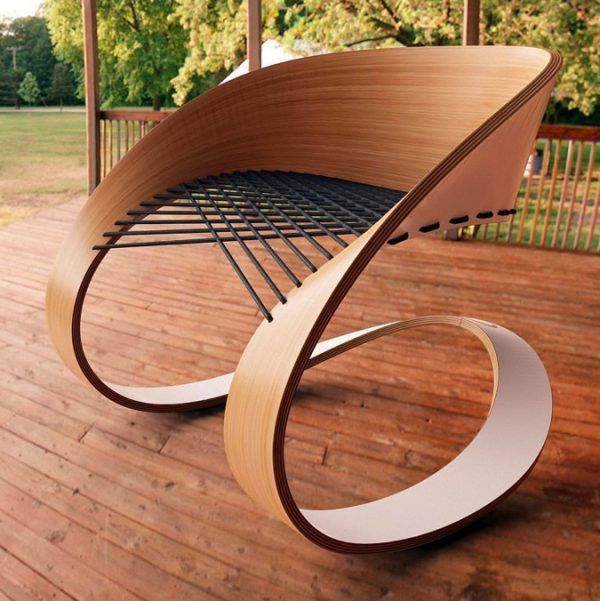
Examining how sculptural forms create visual impact while maintaining usability and comfort.
Sculptural furniture in high-end residential interiors represents a convergence of art, utility, and experiential design, where each piece transcends simple function to become a defining element of spatial narrative. Drawing on decades of consulting experience, I have observed that integrating sculptural furniture requires a holistic approach encompassing material intelligence, ergonomics, spatial orchestration, and human interaction. For clients new to luxury interior design or those seeking guidance in creating visually compelling and functional spaces, understanding the principles behind sculptural furniture is essential to achieving both aesthetic distinction and long-term usability. Material selection forms the backbone of sculptural design. Solid woods, metals, engineered composites, and glass are chosen not only for structural performance but also for visual weight, tactile presence, and long-term resilience.
Techniques such as hand-carving, metal casting, lamination, and layered composites allow for the creation of complex, organic, or geometric forms without sacrificing durability or stability. Collaborative prototyping with skilled artisans ensures that each piece embodies craftsmanship and attention to detail, communicating both authority and trustworthiness in the design process. Surface finishes—matte, polished, or textured—interact with light to enhance shadow, depth, and visual rhythm, further reinforcing the sensory and aesthetic impact of each sculptural element. Ergonomics and functional integration are seamlessly embedded into sculptural furniture. Seating contours, table heights, armrests, and support surfaces are calibrated to human dimensions, enabling comfort without compromising form.
This integration of ergonomics into artistic expression demonstrates a human-centered design approach, signaling expertise in both experiential quality and practical utility. Clients benefit from furniture that is not only visually striking but also supportive of daily activities, enhancing psychological comfort and satisfaction. Spatial strategy amplifies the impact of sculptural furniture. Placement, circulation patterns, and sightlines are deliberately orchestrated to create visual hierarchy, guide movement, and emphasize focal points. Lighting—both natural and artificial—is used strategically to highlight form, texture, and material interplay, creating depth and contrast. Sculptural pieces define zones, anchor interiors, and foster interaction, transforming rooms into multi-sensory environments.
For new homeowners or clients unfamiliar with high-end design principles, understanding how sculptural furniture mediates spatial experience provides insight into achieving balance between aesthetics, comfort, and functionality. Material and spatial synergy further reinforces narrative cohesion. A sculptural console may echo wall textures, while a curved chair can complement light patterns and architectural lines. Proportion and scale are carefully considered to ensure that no piece overwhelms the room, preserving harmony and rhythm. The interplay between tactile surfaces, visual forms, and ergonomic comfort produces an immersive experience that engages sight, touch, and movement, establishing credibility and authority in design choices. Customization and personalization elevate sculptural furniture beyond decorative objects.
Bespoke dimensions, unique material combinations, and tailored finishes reflect client identity, lifestyle, and preferences, reinforcing the emotional resonance of the interior. By collaborating closely with homeowners, designers ensure that each sculptural element resonates both functionally and aesthetically, fostering a sense of ownership, trust, and satisfaction. Sustainability and durability are critical considerations. Selecting materials that age gracefully, resist wear, and maintain visual richness ensures that sculptural furniture remains relevant and compelling over time. Techniques that minimize waste, employ responsibly sourced materials, and integrate long-lasting finishes underscore ethical design practices, reinforcing credibility and authority while aligning luxury with environmental responsibility. Psychologically, sculptural furniture transforms the inhabitant’s experience.
Objects that engage through form, texture, and placement encourage interaction, contemplation, and conversation. The tactile quality of materials, combined with ergonomic support and spatial awareness, creates an intuitive connection between residents and their environment, enhancing both emotional engagement and functional satisfaction. In conclusion, sculptural furniture embodies the intersection of artistry, technical intelligence, ergonomics, and spatial orchestration. By prioritizing material innovation, ergonomic functionality, careful spatial placement, and bespoke customization, designers create objects that are visually compelling, experientially engaging, and practically usable. For homeowners and clients new to high-end interiors, understanding these principles is key to achieving a space that communicates refinement, authority, and trustworthiness.
Sculptural furniture is thus not merely decorative; it is an instrument of spatial storytelling, emotional resonance, and high-level design expertise, elevating luxury residential interiors into fully immersive, human-centered experiences.




Jane Doe
ReplyThis article completely changed how I think about sculptural furniture! I purchased a sculptural coffee table that doubles as a work of art, and the difference is remarkable - it's become the focal point of my living room. The section on balancing form and function was particularly valuable - my coffee table is not only beautiful but also practical, with enough surface space for drinks and books. I also appreciated the tip about scale - I chose a table that complements the size of my living room without overwhelming it.