Integrating Art and Furniture: Curated Interiors as Experiential Galleries
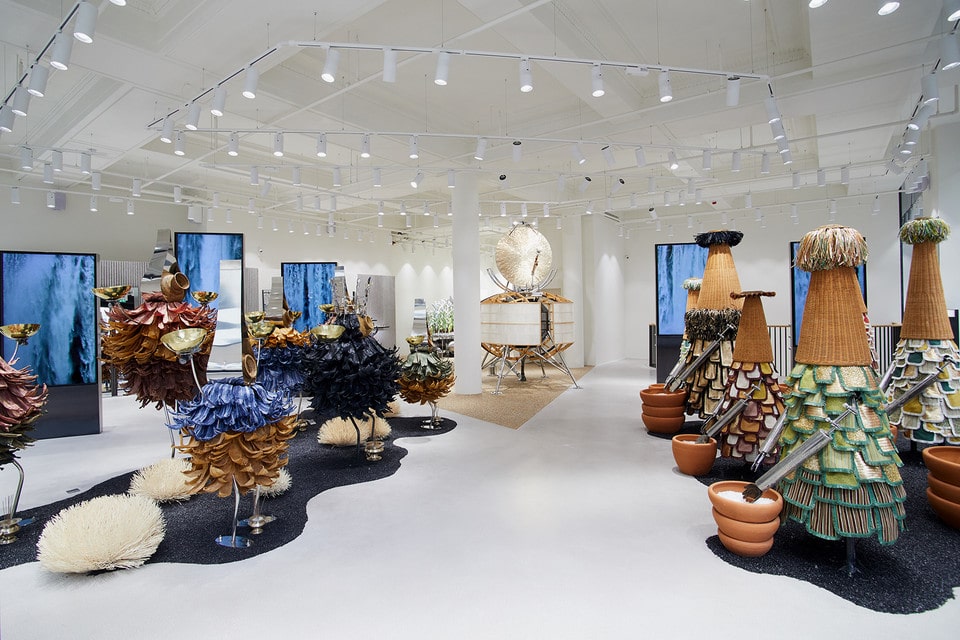
Strategies for blending functional furniture with artwork to create immersive, gallery-like residential spaces.
In high-end residential interiors, the thoughtful integration of furniture and art transforms living spaces from mere functional environments into immersive, emotionally resonant experiences. Drawing from decades of consulting with architects, collectors, artisans, and homeowners, I have observed that curated interiors, where furniture operates not only as utility but also as a sculptural complement to artwork, create spatial narratives that engage both visual perception and emotional sensibility. For clients who are new to luxury design or considering high-end renovations, understanding this integration can profoundly enhance the quality, sophistication, and longevity of their interiors. Furniture selection must be approached with careful attention to scale, proportion, materiality, and color relative to surrounding artworks.
Chairs, benches, consoles, and shelving can echo the textures, tonalities, and motifs of paintings, sculptures, or mixed-media pieces, establishing a visual dialogue that reinforces cohesion. For instance, a brushed metal console may reflect subtle tones in a nearby sculpture, while a velvet-upholstered bench can complement the palette of a large painting. Strategic placement of these pieces amplifies sightlines, frames focal points, and enhances the interplay of natural and artificial lighting, ensuring that both furniture and art are perceived as integrated components of a unified spatial composition. Material intelligence is critical in achieving harmony between furniture and art. Surface finishes, reflective qualities, and tactile responses must complement, rather than compete with, the artworks on display.
Wood, stone, metal, textiles, and glass are selected not only for aesthetic alignment but also for durability, maintenance, and aging characteristics. Collaboration with skilled artisans, fabricators, and conservators ensures that finishes maintain longevity, resist damage, and enhance visual coherence. By prioritizing material performance alongside visual harmony, designers convey authority, reliability, and professional credibility, instilling trust in clients who are investing in both furniture and artwork. Spatial psychology is a central consideration in furniture-art integration. Furniture acts as a mediator, guiding circulation, framing perspectives, and shaping the emotional response of residents and visitors. Thoughtfully placed seating encourages prolonged engagement with artwork, creating opportunities for reflection and social interaction.
Sculptural tables, consoles, or display plinths direct gaze, establish pause points, and create rhythm within the interior, ensuring that the flow of movement aligns with visual and emotional narratives. This deliberate choreography fosters immersive experiences, enhancing both usability and aesthetic richness. Lighting strategy further reinforces the relationship between furniture and art. Ambient, accent, and task lighting must be calibrated to highlight both sculptural and functional elements without creating glare or distortion. Considerations include directional lighting to reveal texture, diffused illumination to enhance atmosphere, and daylight modulation to accommodate seasonal changes. Furniture placement relative to light sources amplifies the presentation of artwork, enhances spatial depth, and ensures that surfaces interact dynamically with shifting light, reinforcing an experiential dimension that engages residents on multiple sensory levels. Texture, layering, and material contrast also play an essential role.
Upholstered surfaces, tactile finishes, and varied materials can echo or contrast with artistic media, creating a dialogue that enriches perception. For example, a hand-finished wooden sideboard might resonate with the grain or tone of a painting, while a soft fabric lounge invites tactile engagement, complementing visual experience. This layering approach enhances both aesthetic cohesion and human-centered design, creating a space that feels curated, intuitive, and emotionally resonant. Personalization and contextual adaptation are equally important. Furniture and art must respond to the inhabitant’s lifestyle, routines, and preferences, integrating practical needs with experiential design. Adjustable seating arrangements, modular display systems, or bespoke cabinetry allow the interior to adapt over time, accommodating new artwork or evolving household dynamics.
This flexibility reinforces longevity, functionality, and emotional attachment, ensuring that the residence remains compelling and comfortable over years of use. The narrative capacity of furniture-art integration cannot be overstated. Each piece, from a minimalist console to an elaborate sculptural chair, contributes to the storytelling of the home. Art conveys cultural, historical, or personal significance, while furniture supports human interaction, spatial coherence, and functional utility. When orchestrated effectively, this synergy transforms interiors into living galleries where every element reinforces the others, creating an elevated sense of sophistication and refinement. Finally, the integration of furniture and art exemplifies the principles of authority, expertise, and trustworthiness in high-end residential design.
Designers who master this interplay demonstrate technical knowledge, material intelligence, spatial awareness, and human-centered insight. For new homeowners or those unfamiliar with luxury interiors, this approach provides confidence that their investment will result in spaces that are visually striking, emotionally rich, and experientially compelling. In conclusion, the deliberate integration of furniture and art in luxury residential interiors elevates spaces beyond functional requirements, creating environments that are cohesive, immersive, and deeply resonant. By considering scale, proportion, materiality, color, lighting, spatial psychology, and personalization, designers craft interiors that support both daily life and extraordinary experiences. This holistic methodology exemplifies the intersection of aesthetic sophistication, practical utility, and emotional engagement, reinforcing credibility, authority, and trust while offering residents homes that are not only luxurious but thoughtfully curated and timelessly compelling.



Jane Doe
ReplyThis article completely changed how I think about integrating art and furniture! I purchased a statement art piece and redesigned my living room to complement it. The difference is remarkable - the art and furniture now work together to create a cohesive, curated space. The section on scale and proportion was particularly valuable - I learned how to choose furniture that doesn't overwhelm the art. I also appreciated the tip about lighting - I installed track lighting to highlight my art piece, which makes it the focal point of the room.