Curved Forms in Contemporary Furniture: Softness Meets Structural Integrity
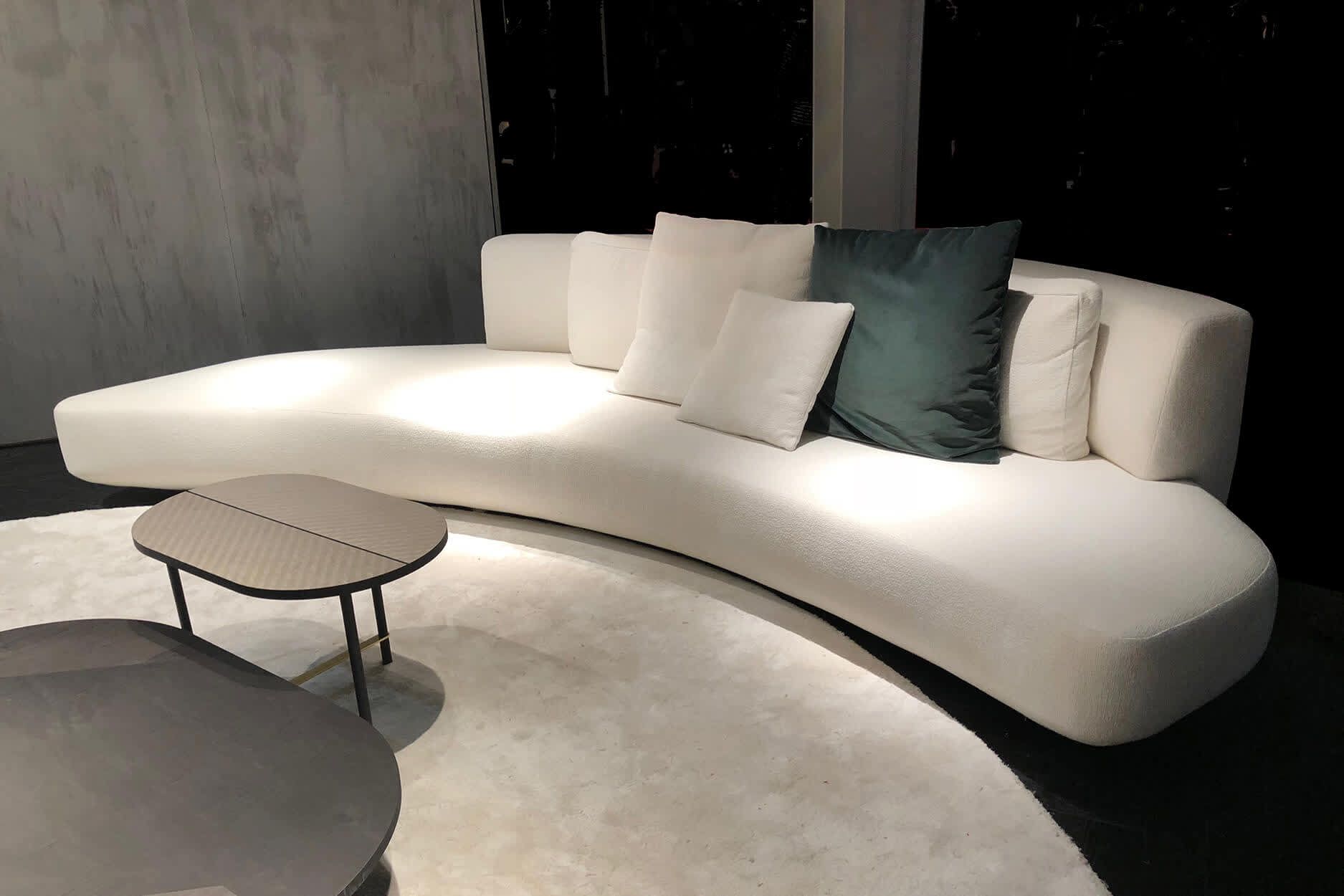
Investigating how curved designs create emotional warmth while maintaining functional performance.
Curved furniture forms represent a defining characteristic of contemporary high-end residential interiors, offering a unique combination of visual softness, emotional warmth, tactile engagement, and functional adaptability. Drawing from decades of experience consulting on luxury homes and collaborating with artisans, engineers, and clients, I have observed that curved forms are far more than an aesthetic trend—they are a sophisticated design strategy that balances human ergonomics, material intelligence, spatial orchestration, and psychological resonance. For clients who are new to residential renovation or exploring luxury furniture for the first time, understanding the multiple dimensions of curved furniture can transform their perception of comfort, style, and long-term value. Material selection is foundational to successful curved furniture design.
Engineered woods, molded metals, laminated composites, and upholstered surfaces must all be evaluated for flexibility, strength, and durability, as well as visual and tactile quality. Each material interacts differently with light, shadow, and touch, affecting perception of scale, depth, and comfort. Through collaborative prototyping with skilled artisans, we ensure that curves maintain structural integrity while preserving aesthetic elegance. For example, laminated veneers can achieve continuous arcs without visible seams, while high-density foams and upholstered layers provide soft, inviting surfaces that endure long-term use. By carefully balancing these factors, designers demonstrate authority, foresight, and technical expertise, ensuring that furniture is both visually compelling and practically reliable. Ergonomics is a critical consideration.
Curved sofas, lounge chairs, and banquettes are designed to follow the natural contours of the human body, supporting posture, weight distribution, and tactile comfort. Seat depth, backrest curvature, and armrest angles are meticulously calibrated to optimize daily use, whether for solitary relaxation or social interaction. The curvature encourages intuitive interaction with furniture, fostering emotional attachment and prolonged engagement. For new homeowners or individuals unfamiliar with luxury ergonomics, these designs provide an immediate sense of physical ease and intuitive comfort, reinforcing trust in both designer judgment and material selection. Spatial perception and circulation are profoundly influenced by curved forms. Unlike linear or rectilinear furniture, curves introduce fluidity into room layouts, guiding movement naturally and creating visual focal points without imposing rigidity.
Circular tables, crescent-shaped sofas, and sculptural chairs encourage social engagement, facilitate conversation, and activate transitional spaces such as foyers and hallways. The geometry of curves interacts dynamically with light and shadow, enhancing dimensionality and experiential richness. Strategic placement ensures that these forms complement architectural features, reinforce sightlines, and contribute to overall spatial coherence, elevating the inhabitant’s experience of both function and beauty. Tactile and visual layering further enhance the appeal of curved furniture. Textiles, finishes, and surface textures interact with light to highlight form and material quality. Soft leathers, rich velvets, and subtly textured fabrics invite touch, while polished metals or matte veneers articulate contrast and refinement.
By layering these elements, designers create a multisensory environment that resonates emotionally with residents, providing both comfort and an elevated sense of luxury. Homeowners can appreciate these nuances over time, recognizing the enduring value of well-considered material choices and craftsmanship. Material intelligence also encompasses sustainability and durability. Curved furniture designed with responsibly sourced materials, high-quality finishes, and structural foresight ensures longevity and minimizes environmental impact. Engineered composites and laminated woods are chosen for flexibility and minimal deformation, while upholstered elements are tested for wear resistance and ease of maintenance. For clients who are new to high-end design, this approach communicates both ethical responsibility and practical reliability, ensuring that investment in luxury furniture delivers lasting satisfaction. Emotional resonance is an additional dimension of curved furniture.
Unlike angular or rectilinear forms, curves evoke softness, approachability, and human-centered warmth. Residents often report feeling more relaxed and socially engaged when interacting with curved seating arrangements or organically shaped tables. This psychological benefit is particularly valuable in private homes, where luxury must support comfort, wellbeing, and everyday usability. Designers leverage this understanding to orchestrate interiors that align functional, aesthetic, and emotional priorities simultaneously. Integration with lighting, scale, and proportion is essential. Curved furniture interacts with natural and artificial light to highlight silhouette, depth, and texture.
Placement within appropriately scaled rooms ensures that curves enhance rather than overwhelm spatial composition. Graduated scale—combining intimate, medium, and statement pieces—maintains visual rhythm while reinforcing both hierarchy and cohesion. Designers often employ physical mock-ups, iterative prototyping, and observational analysis to validate these interactions, ensuring that clients experience optimal balance between form, function, and spatial harmony. Custom and bespoke curved furniture further enhances individuality and personalization. Homeowners can select proportions, materials, and finishes tailored to their lifestyle, spatial constraints, and aesthetic preferences. This customization allows for seamless integration with existing architectural features, curated art collections, and adjacent furnishings.
Personalized curves communicate a homeowner’s identity, cultural references, and attention to detail, reinforcing trust in the design process and the expertise of the design team. Ultimately, curved furniture in luxury residential interiors represents a synthesis of artistry, engineering, ergonomics, and human experience. It requires careful orchestration of material properties, structural integrity, spatial relationships, and tactile engagement. For residents—particularly those new to luxury design—curved furniture provides immediate comfort, intuitive interaction, visual sophistication, and emotional warmth. From a professional perspective, these forms demonstrate authority, craftsmanship, and thoughtful attention to the integration of human-centered design principles. In conclusion, the strategic use of curved furniture transforms interiors into immersive, experiential environments that combine functionality, aesthetic refinement, and emotional resonance.
By balancing material intelligence, ergonomic precision, spatial choreography, and multisensory layering, designers create high-end residential spaces that are not only visually compelling but also psychologically satisfying and enduringly comfortable. Curved furniture exemplifies how contemporary luxury can harmonize artistry with lived experience, reinforcing credibility, expertise, and trustworthiness while offering residents homes that are both sophisticated and deeply inviting.



Jane Doe
ReplyThis article completely changed how I think about curved forms in furniture! I purchased a curved sofa for my living room, and the difference is remarkable - the space feels softer, more inviting, and visually interesting. The section on flow and movement was particularly valuable - the curved lines create a sense of movement that makes the room feel more dynamic. I also appreciated the tip about balancing curved and straight forms - I paired my curved sofa with a rectangular coffee table to create visual contrast.