Minimalist Luxury: The Art of Restraint in Furniture Design
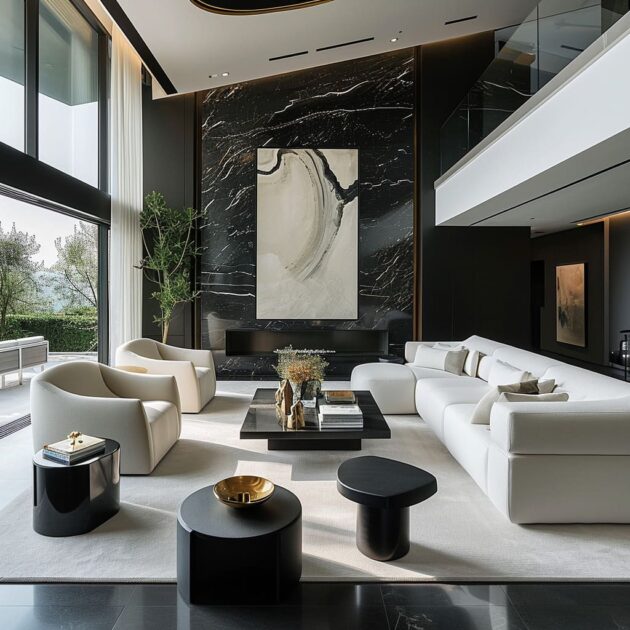
Exploring how minimalist principles can coexist with luxury, emphasizing quality over quantity in interiors.
Minimalist luxury in high-end residential furniture design is a purposeful and refined philosophy that emphasizes restraint, material excellence, proportion, and spatial clarity over accumulation or visual opulence. Through decades of consulting on luxury interiors, I have observed that clients—particularly those new to residential renovation or luxury design—benefit profoundly when their spaces embrace intelligent minimalism, as it elevates both aesthetic and functional quality while creating a sense of calm, order, and enduring sophistication. Material excellence is at the heart of minimalist luxury. Limited but carefully curated palettes—select woods, metals, leathers, and textiles—allow each element to command attention without visual clutter. Exceptional craftsmanship is essential: hand-finished joinery, micro-lamination, bespoke metal detailing, and meticulously applied finishes communicate refinement and authority.
By focusing on tactile richness and the natural qualities of materials, designers create furniture that engages the senses subtly, ensuring that luxury is felt as much as it is seen. Clients often report that the tactile and visual depth of minimalist pieces fosters a sense of trust and reliability in both the furniture and the overall design process. Spatial orchestration is another critical element. Negative space is leveraged deliberately to enhance the perception of scale, light, and proportion, allowing furniture forms to breathe and encouraging intuitive circulation. Furniture placement is meticulously calculated to define functional zones, highlight key elements, and create visual rhythm. For instance, a sculpted chair or a bespoke console positioned strategically within a living room becomes a focal point, guiding sightlines and supporting natural movement patterns.
This careful choreography ensures that each object serves both functional and aesthetic purposes, enhancing the experiential dimension of the home. Proportion and scale are integral to minimalist luxury. Oversized or undersized pieces disrupt balance, while appropriately scaled furniture harmonizes with the architecture and spatial volumes. Designers often employ iterative mock-ups or physical walk-throughs to validate proportional relationships, ensuring that each piece reinforces the rhythm of the interior without overwhelming it. Graduated scale—alternating between intimate, medium, and statement elements—maintains visual interest while respecting minimalist principles, providing both comfort and elegance simultaneously. Ergonomics and human-centered design are seamlessly integrated.
Chairs, sofas, work surfaces, and seating areas are crafted using precise anthropometric data, ensuring that each piece supports posture, weight distribution, and daily routines. Comfort is never sacrificed for aesthetic restraint; rather, it is woven into the design as an invisible yet essential dimension. This attention to human experience exemplifies authority in design, demonstrating that luxury is measured not only by visual impact but also by functional responsiveness and emotional resonance. Lighting is treated as an extension of minimalist strategy. Natural and artificial light interact with materials to accentuate textures, emphasize forms, and animate negative space. Layered lighting—ambient, task, and accent—is calibrated to highlight subtle material nuances, create spatial hierarchy, and support seasonal or circadian adjustments.
Thoughtful lighting design reinforces spatial clarity, enhances perceived material quality, and deepens the emotional experience, ensuring that minimalist interiors are never austere but instead warm, inviting, and psychologically attuned. Sustainability and longevity are embedded within minimalist luxury. By reducing unnecessary material complexity, selecting durable, responsibly sourced finishes, and prioritizing long-term performance, designers create interiors that remain visually and functionally relevant over decades. Clients are increasingly conscious of ecological responsibility, and minimalist design aligns with this value by minimizing waste and emphasizing materials that age gracefully, supporting both aesthetic and ethical integrity. Psychological impact is profound. Minimalist interiors reduce visual and cognitive clutter, fostering emotional calm and clarity.
Residents experience greater relaxation, focus, and connection to their environment, while curated focal points encourage mindfulness and appreciation of craftsmanship. The restraint inherent in minimalist luxury conveys confidence and sophistication, signaling that the home is designed with intention rather than excess, and that every element is carefully considered to serve multiple purposes—functional, aesthetic, and experiential. Ultimately, minimalist luxury transcends ephemeral trends, offering a timeless and versatile approach to high-end residential design. By prioritizing material quality, spatial clarity, proportion, ergonomics, lighting, and sustainability, designers create interiors that are elegant, comfortable, and emotionally resonant. This methodology establishes authority, expertise, and trust, providing clients—especially those new to luxury residential design—with a home that is simultaneously refined, adaptable, and deeply satisfying.
In essence, minimalist luxury proves that less can indeed be more: each deliberate choice reinforces coherence, enhances human experience, and ensures enduring beauty and functionality.



Jane Doe
ReplyThis article completely changed how I think about minimalist luxury! I downsized my furniture collection to focus on a few high-quality pieces that truly reflect my style. The difference is remarkable - my space feels calm, uncluttered, and incredibly luxurious. The section on quality over quantity was particularly valuable - I now invest in fewer, better-made pieces rather than filling my home with disposable furniture. I also appreciated the tip about negative space - I now leave more empty space in my rooms, which makes them feel more open and inviting.