Seasonal Adaptation in Luxury Interiors: Furniture and Decor Strategies
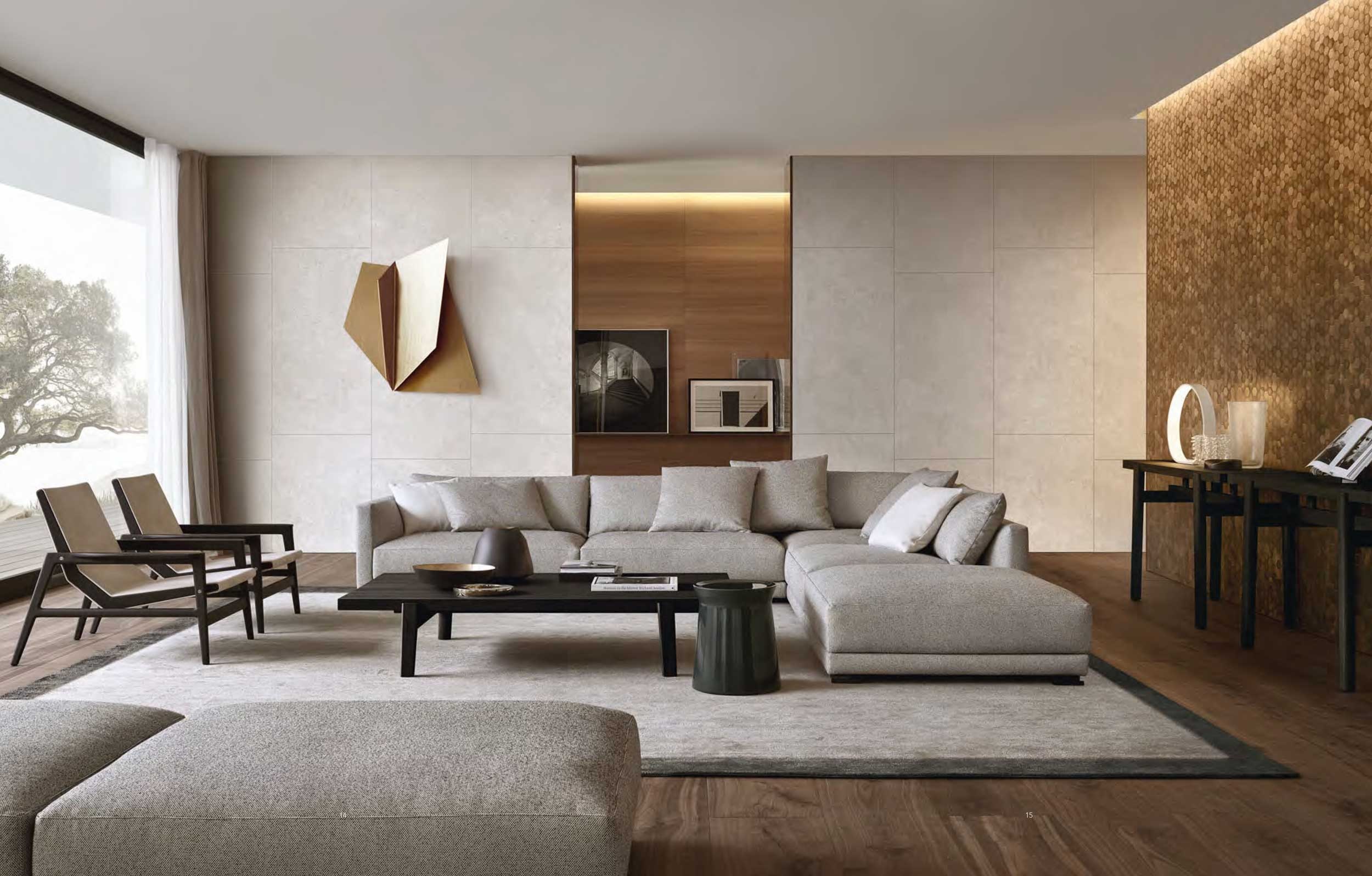
How interior elements can adapt to seasonal changes to maintain comfort, aesthetics, and wellness.
Seasonal adaptation in high-end residential interiors is a sophisticated and often underappreciated strategy for enhancing comfort, wellness, and experiential richness. Drawing from decades of consulting on luxury residential projects, I have observed that homes which thoughtfully respond to seasonal variations in light, temperature, and occupant behavior offer not only improved functional performance but also a deep sense of emotional resonance and visual dynamism. For clients who are new to luxury residential design or embarking on significant renovations, understanding and implementing seasonal adaptation can transform their living environment into a responsive, human-centered space that harmonizes aesthetics, comfort, and sustainability. Textile layering is a foundational element of seasonal adaptation.
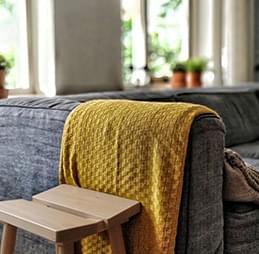
Strategically alternating or layering fabrics—ranging from plush velvets and dense wools for winter to breathable linens and cottons for warmer months—modulates thermal comfort while introducing subtle visual variation aligned with seasonal palettes. Rugs, cushions, throws, and draperies function both practically and aesthetically, regulating tactile experience and supporting a layered, immersive interior narrative. Material intelligence is crucial; high-quality fabrics must maintain durability and tactile appeal despite repeated seasonal use, ensuring longevity and reinforcing client trust. In my consulting experience, clients who invest in thoughtful textile selection report higher satisfaction with both comfort and perceived luxury, as their interiors remain inviting and visually coherent across seasons. Furniture arrangement is another critical lever for seasonal adaptation.
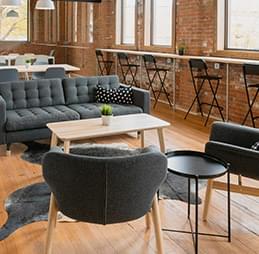
Variations in sunlight, daylight hours, and airflow necessitate strategic placement of seating, workspaces, and reflective surfaces to optimize both visual and thermal comfort. For instance, movable seating can be positioned to take advantage of winter sunlight for warmth and mood elevation, while summer arrangements prioritize natural ventilation and shaded relaxation zones. Outdoor-indoor integration is particularly effective; transitional furniture and adjustable partitions allow residents to engage with seasonal landscapes, such as flowering terraces in spring or autumn foliage, creating a seamless connection between interior and exterior spaces. These strategies enhance spatial coherence and psychological wellbeing, emphasizing the experiential dimension of luxury interiors. Lighting design must evolve in parallel with seasonal changes.
Daylight intensity, angle, and duration fluctuate throughout the year, affecting both perception and mood. Artificial lighting strategies—including adjustable intensity, color temperature modulation, and directional control—compensate for shorter winter days or enhance the vibrancy of warmer months. Integration of seasonal lighting with modular furniture and adaptive spatial layouts further amplifies human-centered design, allowing the home to respond intuitively to environmental conditions. In high-end residential projects, I have found that such attentiveness to light significantly influences circadian rhythms, emotional comfort, and the perception of spatial quality, reinforcing the home’s role as a restorative sanctuary. Material choice underpins the success of seasonal adaptation. Durable, versatile finishes such as natural woods, stone, and metals interact differently with light and temperature, evolving gracefully across seasons.
High-performance fabrics, UV-resistant upholstery, and moisture-stable surfaces ensure both aesthetic continuity and functional reliability. My practice emphasizes material compatibility and sustainability, educating clients about how choices will perform across time and season. This approach builds trust and positions designers as authorities who anticipate and resolve environmental challenges while maintaining luxury standards. Beyond function, seasonal adaptation contributes to emotional and psychological wellbeing. Homes that shift in response to seasonal cues create dynamic visual experiences, reduce sensory monotony, and foster a sense of rhythm aligned with natural cycles. Residents report heightened satisfaction when interiors subtly transform over the year, as spaces feel responsive, alive, and intimately connected to the passage of time.
Incorporating adaptive elements into furniture—such as movable modules, adjustable seating, and flexible storage—enables inhabitants to personalize seasonal interactions while maintaining aesthetic cohesion, reinforcing both empowerment and luxury perception. Spatial hierarchy and circulation are also influenced by seasonal adaptation. Adjustable furniture placement and reconfigurable zones maintain accessibility, clarity, and functional balance throughout the year. By considering the flow of movement, sightlines, and focal points in tandem with environmental conditions, designers can ensure that the home remains both efficient and visually harmonious, regardless of season. These decisions exemplify the expertise required to marry aesthetic sophistication with human-centric responsiveness, highlighting the authority and credibility of the design process. In practice, seasonal adaptation represents a synthesis of multiple design disciplines: material intelligence, lighting strategy, furniture ergonomics, spatial planning, and psychological insight.
Homes designed with these principles in mind achieve a resilience and versatility that is both perceptible and subtle, reinforcing luxury as an experience that evolves with the inhabitants’ lifestyle and the natural environment. Moreover, attention to maintenance, longevity, and adaptability ensures that seasonal strategies are sustainable, reflecting ethical responsibility alongside visual and functional refinement. Ultimately, high-end residential interiors that embrace seasonal adaptation exemplify intelligent, empathetic, and forward-thinking design. They demonstrate that luxury is not solely defined by visual spectacle but by the capacity of a home to respond to changing conditions, support wellness, and provide a deeply engaging and emotionally resonant living experience. Expertise, authority, and attention to human experience converge to create spaces that are resilient, dynamic, and intimately connected to both occupants and environment, ensuring that every element—from textiles and furniture to light and circulation—contributes to enduring comfort, aesthetic richness, and holistic luxury.



Jane Doe
ReplyThis article completely changed how I think about seasonal adaptation in my home! I now rotate my throw pillows and blankets based on the season - light, breathable fabrics in spring and summer, and warm, cozy materials in fall and winter. The difference in comfort is remarkable - my home now feels perfectly tailored to each season. The section on seasonal color palettes was particularly valuable - I use lighter, brighter colors in the warmer months and deeper, richer hues in the cooler months. I also appreciated the tip about adjusting lighting - I use warmer bulbs in winter to create a cozy atmosphere.