Flexible Interiors: Modular Furniture for Adaptable Luxury Living
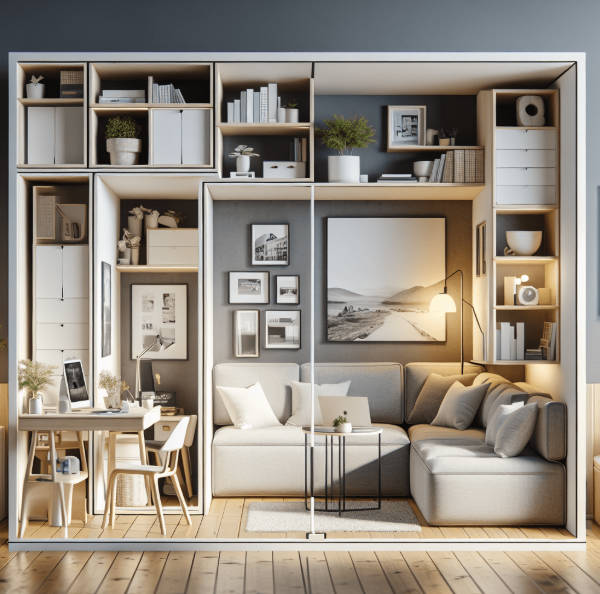
Exploring modular and reconfigurable furniture solutions that maintain high-end aesthetics while enhancing adaptability.
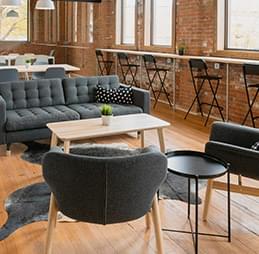
Flexible, modular furniture has emerged as a cornerstone of contemporary high-end residential design, offering a sophisticated solution to the perennial challenge of balancing adaptability with elegance and experiential quality. Through decades of consulting with architects, interior designers, engineers, and homeowners, I have observed that modular systems—ranging from sectional sofas and configurable storage to movable partitions and multi-purpose tables—enable a dynamic response to evolving spatial requirements, social interactions, and lifestyle changes. For homeowners, particularly those embarking on their first major renovation or designing a luxury residence for the first time, understanding modularity is critical: it allows the home to grow with its inhabitants without compromising aesthetic cohesion or material integrity. Designing effective modular systems requires meticulous attention to form, function, and connectivity.
Each module must align seamlessly with adjacent units, preserving visual rhythm and proportionality while integrating mechanisms—slides, hinges, connectors—that are both durable and unobtrusive. Poorly designed joints or misaligned panels can quickly erode the perception of luxury, as gaps, uneven surfaces, or instability distract from the overall experience. My professional approach emphasizes iterative prototyping, mock-ups, and precision testing to ensure that flexibility does not compromise refinement. Expertise in modular design communicates authority, reassuring homeowners that functionality and luxury can coexist without compromise. Material selection and finish are paramount to sustaining both durability and aesthetic integrity in modular furniture. Textiles, leathers, natural woods, metals, and engineered composites must withstand repeated movement and reconfiguration without visible wear or deformation.
Edges, seams, and hardware require careful detailing to maintain smooth tactile experiences, while surfaces must preserve visual richness under daily use. In my experience, high-end clients often underestimate the subtle impact of material interaction in modular systems: even slight mismatches or degradation can undermine the sense of cohesion and trust in the home. Testing prototypes under real-life conditions—assembly, movement, load-bearing, and cleaning—ensures that the furniture delivers long-term satisfaction, reinforcing both credibility and perceived value. The psychological and spatial benefits of modular furniture extend beyond mere practicality. Modular layouts support personalization, allowing residents to adjust seating arrangements, storage configurations, or workspaces according to activity or mood.
Flexible zoning enables spaces to transition from intimate, quiet retreats to social or entertainment-oriented settings, fostering engagement without visual clutter or functional compromise. Residents experience a sense of empowerment and control, as the home adapts to their needs rather than forcing them to conform to static layouts. This responsiveness reflects a human-centered, experiential approach to residential design, where luxury is defined not just by visual impression but by the quality of daily living. Integration with lighting, circulation, and adjacent furniture is equally essential. Modular systems interact with sightlines, natural and artificial light, and movement paths, influencing both functionality and perception. Units that obstruct circulation or create visual tension diminish the immersive experience, while carefully considered arrangements enhance spatial clarity, emphasize focal points, and reinforce hierarchy.
From my professional perspective, authority in modular design lies in anticipating these interactions, ensuring that each component contributes to a coherent, harmonious environment. From a maintenance and lifecycle standpoint, modular furniture offers significant advantages. Pieces can be reupholstered, refinished, or replaced individually without necessitating complete redesign, extending the longevity of the investment. This adaptability aligns with contemporary expectations for sustainability, reducing material waste and environmental impact while maintaining luxury standards. Educating clients about the potential for long-term reconfiguration fosters confidence and reinforces trust in the designer’s expertise, demonstrating that flexibility and permanence are not mutually exclusive in high-end residential contexts. Aesthetic considerations remain central to the success of modular furniture.
While flexibility implies variability, visual consistency is critical to preserving the perception of refinement. Matching textures, finishes, proportions, and color palettes across modules ensures that even when rearranged, the overall design language remains coherent. My practice emphasizes subtle cues—layered textiles, aligned grain patterns, continuous metal finishes—to reinforce elegance while celebrating versatility. This attention to detail underscores authority and signals to homeowners that adaptability need not compromise beauty or sophistication. In addition, modular furniture can amplify experiential richness when combined with ergonomic design, tactile layering, and heritage craftsmanship. For example, a modular sofa with individually adjustable cushions and hand-finished upholstery integrates comfort, touch, and artisanal skill, creating a dynamic object that is both visually striking and physically inviting.
Similarly, movable storage units with fine joinery and tactile finishes elevate everyday interaction, transforming functional components into objects of pleasure and pride. Ultimately, flexible interiors with modular furniture exemplify intelligent, adaptable, and luxurious design. They demonstrate that true luxury is not static or prescriptive but evolves with inhabitant needs while maintaining visual and material integrity. Expertise, precision, thoughtful material selection, and careful spatial orchestration converge to deliver high-end residential environments that are visually refined, functionally versatile, and experientially engaging. For homeowners—particularly those new to luxury renovation—modular design offers empowerment, resilience, and long-term value. By integrating modular systems thoughtfully, designers convey authority, foster trust, and showcase innovative problem-solving, ensuring that every piece supports both daily life and enduring aesthetic excellence.



Jane Doe
ReplyThis article completely changed how I think about flexible interiors! I purchased a modular sofa system that allows me to reconfigure the layout based on my needs. The difference is incredible - I can easily transform my living room from a cozy seating area for two to a large space for entertaining guests. The section on modular furniture was particularly valuable - I now understand how to choose pieces that can adapt to different situations. I also appreciated the tip about considering future needs - my modular sofa will grow with my family as our needs change.