Integrating Technology: Smart Solutions in Luxury Furniture
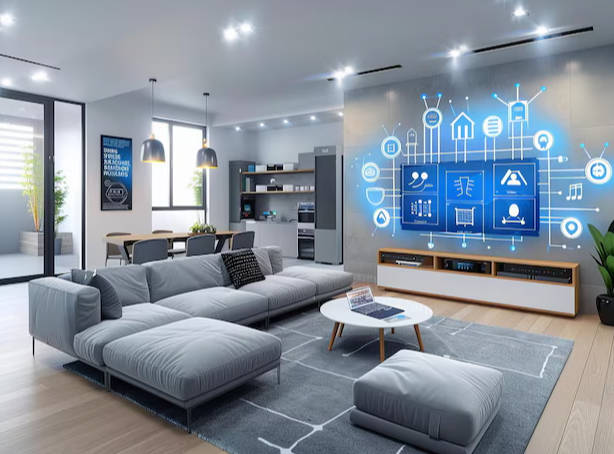
How intelligent systems enhance comfort, functionality, and user experience without compromising design aesthetics.
The integration of technology into high-end furniture has fundamentally reshaped contemporary luxury, shifting it from static visual opulence toward responsive, experience-driven living. For many homeowners—especially those new to luxury renovation or interior design—technology can feel intimidating, overly technical, or visually disruptive. However, when approached with design intelligence and restraint, technological integration becomes an invisible ally, enhancing comfort, convenience, and emotional satisfaction without compromising aesthetic integrity. My consultancy experience across residential projects consistently confirms that the success of smart furniture lies not in how advanced it is, but in how quietly and intuitively it serves daily life. At the core of luxury technology integration is anticipation.
Intelligent furniture should respond to human behavior rather than demand attention or instruction. Motorized seating that adjusts posture subtly, desks that remember preferred heights, beds that respond to sleep patterns, or lighting systems that adapt to circadian rhythms exemplify this principle. These features elevate everyday routines while remaining discreet. For inexperienced homeowners, it is crucial to understand that luxury technology is not about novelty or visible complexity, but about reducing friction and effort in daily living. Design discretion is paramount. High-end interiors demand visual calm, material continuity, and refined detailing.
Technology that appears overtly mechanical or gadget-like immediately undermines perceived luxury. Successful integration conceals mechanisms within millwork, upholstery, or structural elements. Charging stations are embedded within drawers or side tables, control panels are hidden behind panels or accessed via personal devices, and sensors are seamlessly integrated into surfaces. This invisibility reinforces trust: users feel supported without being constantly reminded of the technology at work. Interface design plays a critical role in user experience. Touchpoints must be intuitive, responsive, and ergonomically placed.
Delayed responses, overly complex controls, or poorly positioned switches erode confidence and satisfaction. Through collaboration with engineers and UX specialists, I prioritize systems that offer immediate feedback and minimal learning curves. For first-time luxury homeowners, this translates into confidence and ease—technology feels natural rather than burdensome. Functional enhancements in smart furniture extend beyond convenience into health, comfort, and sustainability. Adaptive seating systems adjust lumbar support and tilt based on posture and duration of use, reducing strain during prolonged sitting. Climate-responsive furniture materials regulate temperature, improving comfort while reducing energy consumption.
Automated shading, integrated into furniture-adjacent millwork, modulates light and heat throughout the day. These systems reflect a mature understanding of luxury as holistic wellbeing rather than surface indulgence. Such integration requires cross-disciplinary expertise. Designers must collaborate with electrical engineers, software developers, material scientists, and manufacturers from the earliest stages. Retrofitting technology after furniture design is finalized often leads to compromised aesthetics or functionality. In my practice, technological intent is embedded at the conceptual phase, ensuring structural compatibility, service accessibility, and long-term reliability.
This process underscores authority and credibility, reassuring clients that innovation is grounded in expertise rather than experimentation. Material intelligence is inseparable from smart furniture design. Luxury materials must accommodate wiring, heat dissipation, movement, and maintenance without degradation. Woods are selected for dimensional stability, metals for thermal performance, and textiles for flexibility and breathability. Finishes must withstand touch, friction, and repeated interaction. For newcomers to high-end interiors, understanding that not all materials are suitable for technological integration is critical.
Poor material pairing can lead to noise, wear, or system failure, undermining both performance and trust. Aesthetic harmony remains a guiding principle. Smart furniture must respect spatial proportion, rhythm, and visual hierarchy. Motorized elements should move silently and gracefully, reinforcing a sense of calm. Lighting integrated into furniture must complement architectural lighting layers, avoiding glare or visual clutter. When technology enhances rather than competes with form, it becomes an extension of design language rather than an intrusion. Psychologically, well-integrated technology fosters a sense of security and empowerment.
Homes feel attentive, responsive, and supportive. This emotional reassurance is particularly valuable for first-time luxury homeowners, who may feel overwhelmed by scale, investment, or responsibility. Technology that works reliably in the background builds confidence and deepens attachment to the space. Maintenance and longevity must also be considered. Luxury technology should be serviceable, upgradeable, and adaptable. Systems that cannot evolve quickly become obsolete, diminishing long-term value.
I advise clients to prioritize modular systems, open platforms, and concealed access points, ensuring future updates do not require invasive renovations. This foresight distinguishes thoughtful luxury from trend-driven consumption. Importantly, technology should never dictate lifestyle; it should adapt to it. Over-automation can feel oppressive, reducing a sense of agency. True luxury offers choice—manual override, personalization, and simplicity alongside automation. Educating new homeowners about this balance empowers them to make informed decisions rather than adopting technology for status alone. From a design authority perspective, integrating technology responsibly signals maturity, restraint, and respect for human experience.
It demonstrates that luxury is not about showcasing innovation, but about curating it thoughtfully. Designers who master this balance earn trust, as clients recognize that every technological choice serves a clear purpose. For those new to high-end residential design, the key lesson is this: technology should disappear into daily life. If it demands attention, explanation, or constant adjustment, it has failed its purpose. The most successful smart furniture solutions are those that occupants barely notice—yet deeply miss when absent. Ultimately, the integration of technology into luxury furniture represents the evolution of design from static beauty to dynamic support. When executed with discretion, material intelligence, ergonomic sensitivity, and experiential insight, smart furniture elevates interiors into responsive environments that care for their inhabitants.
This synthesis of innovation and refinement defines contemporary luxury, reflecting expertise, authority, and a human-centered vision of living well.



Jane Doe
ReplyThis article completely changed how I think about integrating technology into my home! I used to see technology as something that disrupted the aesthetic of my space, but now I understand how it can enhance it. I installed a smart coffee table with built-in wireless charging and hidden storage for my devices. The difference is incredible - my living room is now both beautiful and functional. The section on hidden technology was particularly valuable - my coffee table looks like a traditional piece of furniture but has all the modern conveniences I need. I also appreciate the tip about voice control - I can now adjust my lighting and temperature without lifting a finger.