Art as Architecture: Incorporating Fine Art to Enhance Spatial Narrative
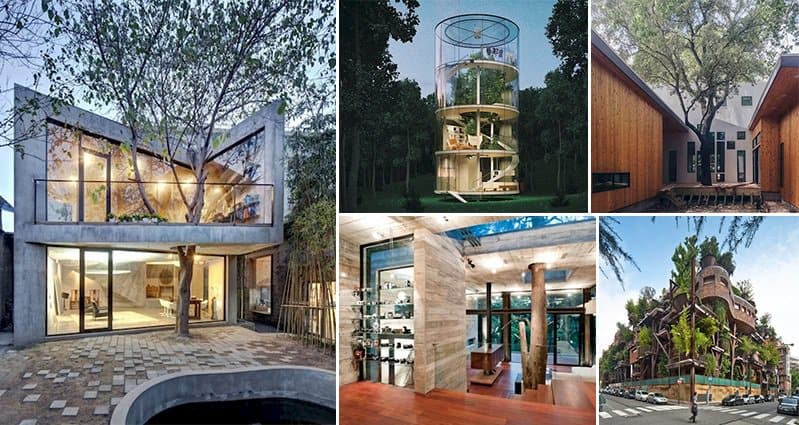
Strategies for curating art within interiors to complement furniture, materials, and natural light.
Integrating fine art into high-end residential interiors is both an aesthetic discipline and a psychological practice. Unlike galleries or commercial spaces, private homes require art to function within the rhythms of daily life, supporting emotional well-being, identity expression, and spatial balance rather than commanding attention through spectacle alone. In residential environments, art succeeds not by asserting dominance, but by entering into dialogue with architecture, furniture, materials, and human behavior. Visual hierarchy is the foundation of effective art integration. Large-scale artworks often serve as spatial anchors, helping organize furniture placement and guiding movement through a room. These pieces require generous negative space to maintain clarity and authority.
Smaller works, on the other hand, introduce rhythm and intimacy, particularly when positioned along transitional zones such as hallways, staircases, or reading areas. For homeowners with limited experience, understanding scale relative to wall mass and furniture proportion is critical. Art should feel intentional within the room, neither overpowering nor disappearing into the background. Sightlines further influence how art is experienced. Strategic placement at the end of circulation paths or within framed architectural openings creates moments of pause and contemplation. In open-plan residences, artwork can subtly define zones without physical barriers, reinforcing spatial structure while preserving openness.
This approach allows art to guide perception and movement naturally, without interrupting functional flow. Material context plays a decisive role in how art is perceived. Wall finishes, flooring materials, and adjacent furniture surfaces reflect and absorb light differently, altering color depth and texture visibility. Matte wall finishes often provide ideal backdrops for paintings, reducing glare and visual noise, while stone or textured surfaces require careful consideration to avoid competition. The surrounding material palette should support the artwork, allowing it to read clearly and confidently within the space. Lighting integration is equally critical. Art lighting must balance preservation with presentation.
Directional lighting reveals surface texture, brushwork, and tonal variation, while excessive brightness flattens form and accelerates material degradation. Color temperature selection is essential: warmer tones complement organic materials and traditional works, while neutral or cooler tones often suit contemporary pieces. Layered lighting strategies—combining ambient, task, and accent lighting—allow art to be experienced differently throughout the day and across seasons. The relationship between art and furniture is inseparable. Seating orientation, table placement, and circulation patterns determine how art is encountered and engaged. A lounge chair positioned to face a painting invites reflection, while artwork placed near dining or gathering spaces encourages conversation.
Furniture finishes and textures should support, not compete with, the artwork. Highly reflective surfaces or busy patterns adjacent to art often fragment attention and reduce clarity. Custom furniture and millwork enhance art integration by embedding display opportunities into the architecture itself. Recessed niches, built-in shelving, and bespoke display walls allow artwork to feel intentional rather than appended. This is particularly valuable for mixed collections, where painting, photography, and sculpture coexist. For homeowners new to collecting, such integrated solutions provide flexibility as collections evolve over time. The psychological impact of art within residential interiors is profound.
Art shapes mood, stimulates reflection, and reinforces personal identity. Over time, residents form emotional bonds with artworks through daily exposure, associating them with routines, memories, and life transitions. Not all meaningful art needs to occupy public spaces; private artworks in bedrooms or studies often support introspection and emotional grounding. Spatial flow contributes to long-term engagement. When art is revealed gradually through movement rather than displayed all at once, it creates layered experiences that remain engaging over years of habitation. This sense of discovery reinforces emotional durability and sustained satisfaction, distinguishing thoughtfully curated homes from visually overwhelming interiors. Ultimately, integrating fine art into high-end residential interiors is an exercise in restraint, coherence, and human-centered design.
Art should enhance daily life rather than perform for it. Through deliberate curation, appropriate scale, thoughtful placement, and precise lighting, artwork becomes an integral component of the home’s narrative. When art, furniture, materials, and architecture operate as a unified system, the home transcends decoration and becomes a lived environment—emotionally resonant, visually balanced, and enduring over time.



Jane Doe
ReplyThis article completely transformed how I think about integrating art into my home! I always saw art as something to hang on walls, but now I understand how it can be an integral part of the architecture. I worked with an artist to create a custom metal sculpture that serves as a room divider between my living and dining areas. It's not just a piece of art - it's a functional architectural element that defines space while adding visual interest. The section on site-specific art was particularly inspiring - my sculpture was designed specifically for my space, making it truly one-of-a-kind.