Integrating Outdoor Elements: Blurring Interior and Exterior Boundaries in Luxury Homes
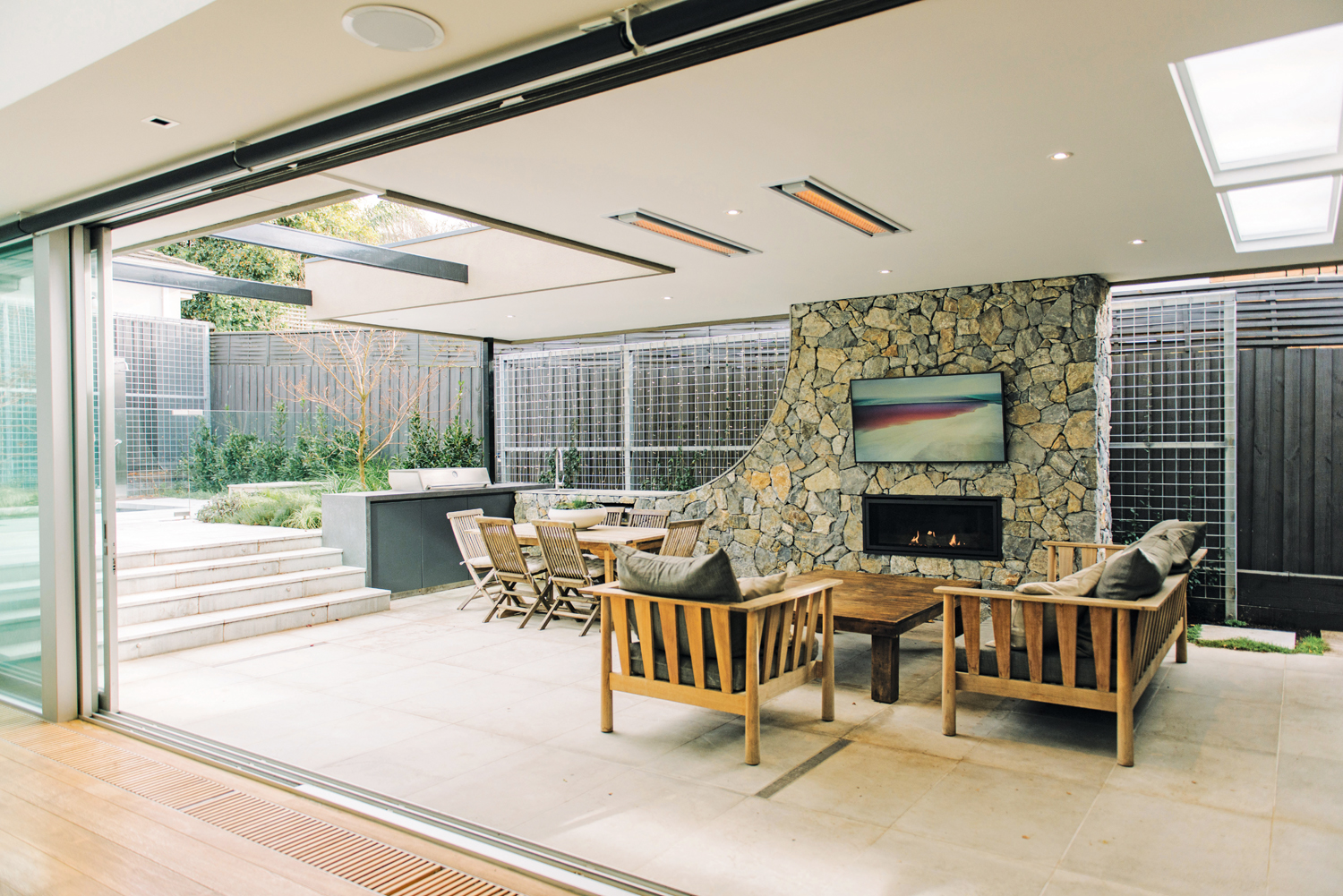
Strategies for harmonizing outdoor landscapes with interior furnishings to enhance cohesion and wellbeing.
High-end residential interiors increasingly prioritize a seamless and deliberate relationship between interior and exterior environments, creating homes that feel expansive, immersive, and intimately connected with nature. Drawing from years of consulting on luxury properties, coordinating with landscape architects, and working closely with furniture placement and spatial planning strategies, I emphasize that integrating outdoor elements is not merely an aesthetic gesture but a fundamental driver of psychological comfort, functional fluidity, and long-term residential satisfaction. Visual integration is foundational to successful indoor-outdoor design. Strategic sightlines to gardens, terraces, patios, or water features invite natural scenery into daily experience, extending the perceived boundaries of interior spaces.
Large glazed panels, floor-to-ceiling windows, sliding doors, and even mirrored surfaces can frame views, create reflections, and foster a sense of fluid continuity. For homeowners new to luxury design, it is crucial to understand that furniture placement must reinforce these lines of sight rather than obstruct them. A well-positioned lounge chair, dining set, or sofa can act as a subtle conduit, guiding attention toward exterior landscapes while maintaining comfort, functionality, and social accessibility. Material continuity is equally essential for achieving a coherent spatial dialogue. Using complementary materials across interior and exterior zones—such as natural stone, timber, metal finishes, and weather-resistant textiles—helps unify spaces visually and tactically. Rugs, cushions, tables, and flooring can mirror textures and hues found in gardens or terraces, creating an immersive sensory experience.
For example, a wooden dining table indoors can resonate with decking materials outdoors, while neutral stone tiles can extend a patio aesthetic into an entryway. The authority in design lies in orchestrating these parallels thoughtfully, avoiding over-saturation or forced mimicry, so that luxury is perceived as effortless, subtle, and enduring. Lighting and microclimate management are critical layers in integrating outdoor elements. Natural light must be maximized through orientation, window placement, and consideration of seasonal sun paths. Artificial lighting, including exterior luminaires and interior accent lights, should complement daylight patterns and highlight architectural features, textured materials, and plantings. For first-time homeowners, dimmable lighting, adaptive controls, and warm color temperatures provide both functional and emotional benefits, supporting circadian rhythms while enhancing the perceived quality of furniture and finishes.
Additionally, microclimate factors—shade, ventilation, temperature regulation, and protection from wind or moisture—affect both comfort and material longevity. Selecting UV-resistant fabrics, treated timber, corrosion-proof metals, and low-maintenance greenery ensures that exterior-facing furniture and surfaces maintain aesthetic fidelity and structural integrity over time. Psychological and emotional benefits are profound. Exposure to nature has been shown to reduce stress, improve cognitive performance, and encourage social interaction, aligning closely with contemporary wellness and lifestyle-focused design paradigms. A 2024 European Residential Design Survey reported that homeowners with strong visual or physical access to gardens or terraces experienced 28% higher perceived satisfaction with their living environments.
By blurring interior-exterior boundaries, residents experience a holistic environment in which luxury, wellbeing, and functional elegance intersect seamlessly. This principle is particularly relevant for families, pet owners, or residents who entertain frequently, as well-integrated outdoor areas support dynamic living while maintaining aesthetic coherence. Functionality remains a central consideration. Outdoor areas should be perceived as extensions of interior spaces rather than separate zones. Furniture must accommodate daily routines—lounging, dining, socializing, or quiet reflection—without imposing constraints. Flexible modular seating, weatherproof dining sets, and multipurpose furnishings enable these zones to evolve over time, supporting changing household needs.
In practical terms, this means selecting pieces that are lightweight for rearrangement, resilient to environmental exposure, and ergonomically compatible with interior furniture, ensuring that continuity of use and comfort is preserved. From a professional standpoint, integrating outdoor elements requires foresight, experience, and coordination. Material selection, spatial planning, lighting, and microclimate control must work in concert to achieve a seamless, immersive experience. Designers must anticipate challenges such as glare, moisture, seasonal light variation, and human traffic patterns, translating them into actionable specifications for clients and contractors. I often provide first-time homeowners with detailed guidance: using floor plans to establish sightlines, creating mock-ups to test material harmony, and recommending plantings that balance privacy with openness.
These steps ensure that the integration of interior and exterior spaces is not arbitrary but deliberate, functional, and emotionally resonant. Sustainability and long-term performance are also integral. Selecting durable materials and finishes reduces maintenance, replacement costs, and environmental impact while reinforcing the perception of luxury as lasting and considered. High-end outdoor furniture that mirrors interior aesthetics, for example, should be crafted from sustainably sourced timber, powder-coated metals, or recycled materials without compromising tactility, visual quality, or comfort. Homeowners can also prioritize native plantings and low-maintenance landscaping to ensure that exterior integration remains vibrant, resilient, and visually aligned with interior spaces for years. Ultimately, integrating outdoor elements into high-end residential interiors exemplifies a sophisticated orchestration of form, function, and psychology.
It communicates authority, expertise, and trust in design, elevating the home from a static living space into an immersive sanctuary. By carefully aligning sightlines, harmonizing materials, optimizing lighting, managing microclimate, and considering lifestyle and emotional engagement, designers create environments that are not only aesthetically refined but experientially rich. For new homeowners or those undertaking their first luxury renovation, understanding these principles is essential: the seamless connection of indoor and outdoor spaces enhances comfort, supports wellbeing, and reinforces the enduring value of thoughtful, high-end design. In conclusion, interior-exterior integration is more than a stylistic choice—it is a strategic and experiential design approach that enhances spatial perception, supports human behavior, and fosters emotional resonance.
Homes that master this balance are expansive, adaptable, and deeply satisfying, providing both daily utility and lasting aesthetic authority. Through intentional planning, material intelligence, and environmental sensitivity, high-end residential interiors achieve a level of sophistication, comfort, and immersive quality that ensures every interaction—from casual lounging to social gatherings—feels deliberate, elegant, and enduring over decades.



Jane Doe
ReplyThis article completely transformed how I think about connecting indoor and outdoor spaces! I installed floor-to-ceiling sliding glass doors that blur the line between my living room and backyard. The effect is incredible - my space feels so much larger and more connected to nature. I also implemented the tip about using similar flooring materials indoors and out, which creates a seamless transition. Now I spend so much more time enjoying both my indoor and outdoor areas, and the natural light flooding in makes my home feel constantly fresh and alive.