Lighting as Sculpture: How Illumination Shapes Mood and Space in Luxury Homes
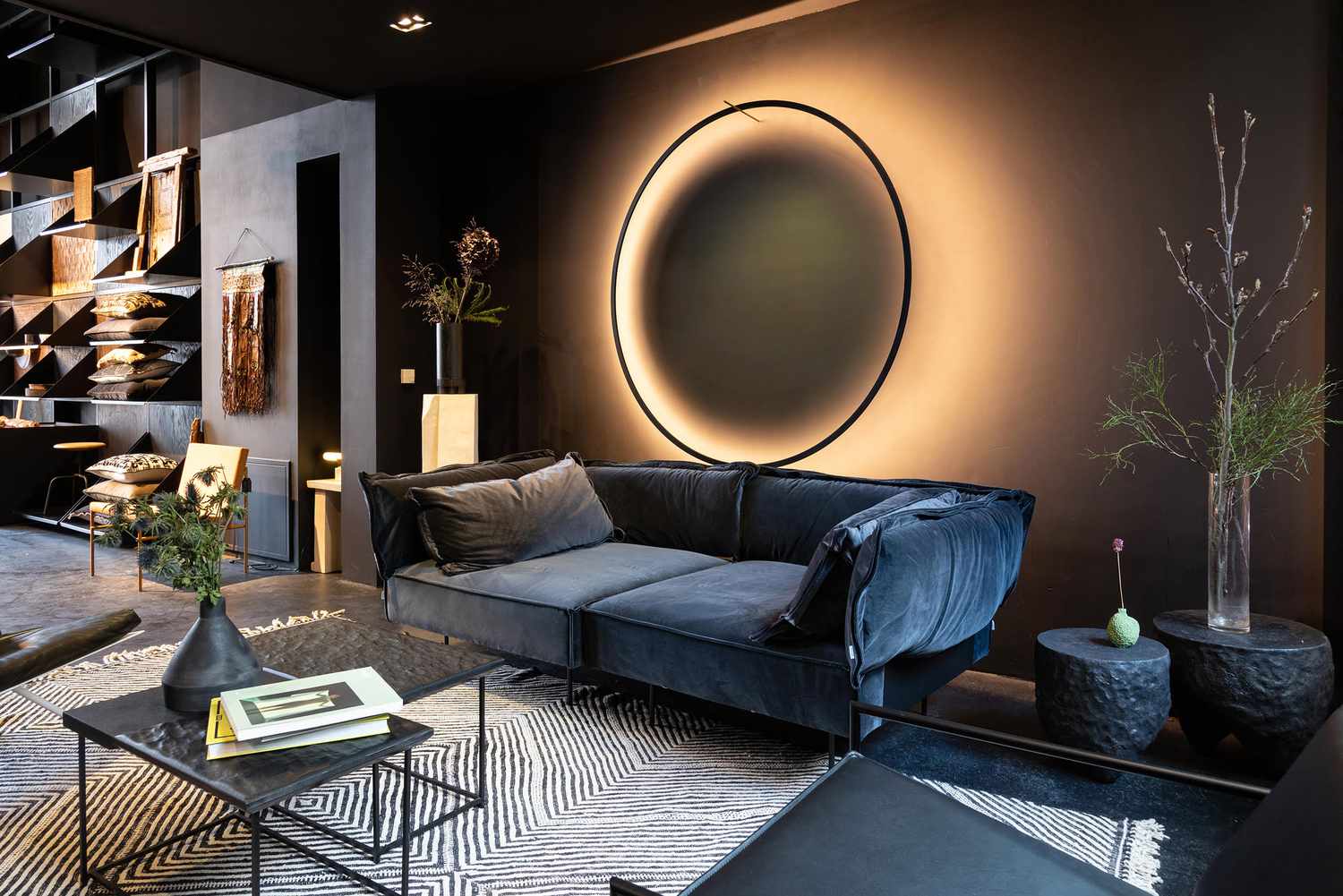
Exploring the nuanced role of lighting as both functional necessity and artistic intervention in residential interiors.
Lighting in luxury residential interiors is far more than a functional requirement; it is a critical tool for shaping perception, mood, and the experiential narrative of a home. Over two decades of consulting with high-end residential clients, I have consistently observed that lighting can elevate spaces in ways that mere furniture or finishes cannot achieve. Even the most meticulously selected materials, textures, and furnishings can appear flat or lifeless without considered lighting, whereas properly orchestrated illumination can transform a room into an emotionally resonant and visually compelling environment. Ambient, task, and accent lighting must be considered as an integrated system rather than separate components. Ambient lighting establishes general visibility and sets the emotional tone for a space.
It provides a foundation upon which all other elements operate, influencing how colors are perceived, how materials are read, and how spatial proportions are understood. Task lighting, by contrast, addresses functional requirements. Reading areas, workspaces, kitchen counters, and home offices demand precise illumination that supports activity without causing glare or fatigue. Accent lighting, meanwhile, highlights key architectural features, artwork, or high-end furniture, creating focal points and guiding visual attention with subtlety. For homeowners new to interior design, understanding these distinctions is essential: effective lighting is not decoration, but a language that communicates how a space is intended to be used and experienced. Natural light interacts intimately with artificial lighting, and mastering this relationship is central to high-end design.
Observing sun paths, seasonal variations, and window placement enables strategic layering of artificial sources to complement daylight. For example, east-facing living rooms benefit from softer morning illumination and may require warmer ambient light in the evenings to maintain consistent atmosphere. South-facing kitchens or dining areas receive abundant daylight, allowing accent lighting to be reserved for highlighting surfaces or decorative objects rather than compensating for insufficient illumination. Integrating dimmable controls, tunable color temperatures, and programmable scenes allows the homeowner to adapt lighting dynamically throughout the day, enhancing both comfort and visual harmony. Materiality significantly influences how light is perceived and absorbed within a room. Textured fabrics, polished metals, stone surfaces, and high-gloss lacquers interact with light differently, affecting scale, depth, and tactile perception.
For example, a hand-stitched leather sofa responds to grazing light in a way that emphasizes grain and subtle variations, enhancing its visual richness. Similarly, stone countertops or textured wall finishes reveal complexity only under directional accent lighting. My experience shows that carefully considered reflection and shadow can enhance perceived spatial quality, guiding circulation and establishing a hierarchy of visual interest without overwhelming the inhabitant. For novices in residential design, the takeaway is clear: understanding how materials respond to light is as important as selecting the materials themselves. Lighting also plays a central role in establishing atmosphere and emotional comfort. High-end residential interiors are not galleries; they are lived spaces where family routines, social gatherings, and personal rituals unfold.
Overly harsh, uniform illumination can cause stress, while thoughtfully layered lighting fosters relaxation, focus, and sociability. In my practice, I recommend soft indirect sources for lounges and bedrooms to create depth and calm, while kitchens and study areas benefit from higher-intensity task lighting to support productivity. Accent lighting along circulation paths or around focal furniture elements not only adds sophistication but also enhances usability and intuitive wayfinding. Bespoke luminaires are often a hallmark of luxury design, combining craftsmanship with innovation. Handcrafted fixtures, sculptural pendant lights, or integrated LED strips communicate exclusivity while reinforcing the spatial narrative. These choices require homeowners to engage with designers early, as placement, scale, and proportion must harmonize with both architectural form and furniture layout.
First-time homeowners often underestimate the psychological impact of light, but proper guidance ensures that interiors not only look refined but feel psychologically coherent and comfortable. Energy efficiency and sustainability are additional considerations. High-end LED systems, smart controls, and low-energy luminaires provide longevity, reduce environmental impact, and integrate seamlessly with modern residential automation. Clients often benefit from understanding how lighting choices affect both operational cost and the perceived luxury of their home. A well-designed lighting scheme enhances furniture, highlights artisanal craftsmanship, and simultaneously respects ecological responsibility. Maintenance and adaptability are also critical. High-end residential lighting should be durable and easily adjustable.
Fixtures should allow for bulb replacement, angle modification, or dimming adjustments without professional intervention. This ensures that lighting continues to function as intended over decades, sustaining both practical and aesthetic value. For homeowners new to high-end design, these operational details often determine whether a space remains luxurious in daily use rather than only in photographs. In conclusion, lighting in luxury residential interiors is an invisible yet commanding presence that shapes every aspect of experience—from material perception and spatial hierarchy to emotional comfort and functional performance. It requires deliberate orchestration of ambient, task, and accent sources; careful consideration of natural light; integration with materiality; and attention to long-term adaptability.
By engaging lighting as both an interpretive and technical element, homeowners and designers create interiors that are not only visually stunning but psychologically satisfying, spatially coherent, and emotionally resonant. Thoughtful lighting transforms furniture, architecture, and décor into a unified, lived experience, ensuring that high-end residential spaces endure both visually and experientially over time. For those embarking on their first high-end renovation or home design project, understanding the transformative power of lighting is as crucial as selecting quality materials, furniture, and finishes. Properly implemented, lighting becomes the silent guide that elevates a home from attractive to extraordinary, providing comfort, authority, and long-lasting luxury.




Jane Doe
ReplyThis article transformed how I think about lighting in my luxury home. I installed layered lighting in my living room - ambient ceiling lights, task lamps by the reading nook, and accent lighting to highlight my hand-carved wooden coffee table. The difference is incredible! The grazing light on the wood grain brings out details I never noticed before, and the dimmable system allows me to create completely different moods for entertaining versus relaxing. I especially appreciated the section on balancing natural and artificial light - my east-facing room now feels warm and inviting all day long.