The Role of Craftsmanship: Why Handmade Elements Elevate Modern Interiors
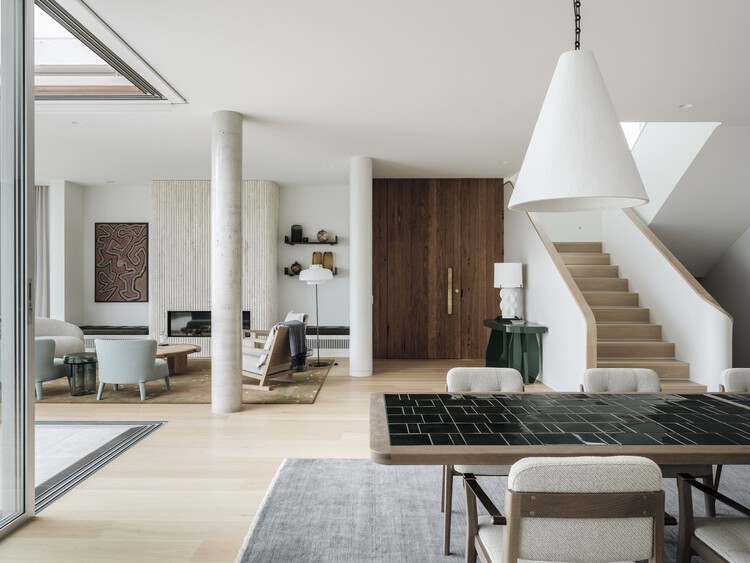
An in-depth perspective on integrating artisanal techniques into contemporary luxury homes.
In modern high-end residential design, craftsmanship is one of the most critical indicators of authenticity, quality, and enduring value. While mass-produced luxury furniture may imitate the appearance of high-end pieces, they often fail to replicate the tactile subtlety, visual nuance, and emotional resonance that skilled artisans impart. From my years of consulting with clients and collaborating with furniture makers, textile weavers, metalworkers, and leather artisans, I have observed that the human touch—imperceptible yet present in every joint, seam, and finish—is what differentiates truly luxurious interiors from those that are superficially impressive. Handmade detailing provides a multidimensional sense of richness. Wood carvings, hand-applied finishes, hand-stitched upholstery, and hand-forged metal elements introduce subtle irregularities that signal intentionality rather than imperfection.
For homeowners new to design, it is essential to understand that these minor variations are not flaws; they are evidence of time, care, and expertise. When purchasing high-end furniture, I advise clients to inspect pieces closely, running their hands over surfaces, checking the consistency of stitching, and observing joinery techniques. These interactions reveal the narrative of labor and skill embedded in the object, fostering trust between inhabitant and designer. Craftsmanship also significantly contributes to longevity. Traditional joinery, natural finishes, and artisanal techniques often outperform mechanical assembly and chemical coatings. For example, a hand-cut dovetail in a drawer or a hand-applied wood lacquer allows furniture to flex with seasonal humidity, reducing the risk of warping or cracking over decades.
A 2025 European Furniture Durability Report indicates that traditionally joined solid wood furniture retains over 70% of its structural integrity after twenty years, compared to 45% for mass-produced, mechanically fastened pieces. This data reinforces the practical benefits of investing in skilled craftsmanship, especially for clients seeking long-term value rather than trend-driven aesthetics. Emotional engagement is another key aspect of artisanal luxury. Handcrafted elements invite interaction and heighten the inhabitant’s sensory awareness. Tracing the seam of a leather armchair, feeling the texture of a hand-carved tabletop, or running fingers along the subtle undulations of a forged metal accent creates a rhythm of care and attention. These tactile experiences transform furniture from passive objects into active participants in daily life, deepening emotional attachment and encouraging mindfulness within the home.
First-time homeowners often underestimate the psychological impact of tactile quality, but repeated exposure to such materials instills a sense of comfort, security, and satisfaction. Integrating artisanal pieces also encourages narrative and storytelling within residential interiors. Each handcrafted element carries the history of its maker—the techniques, tools, and intention behind it. This narrative dimension enriches the inhabitant’s experience, making the home a living archive of human skill and material respect. For newcomers to interior design, selecting pieces with identifiable artisanal provenance—whether a bespoke dining table, handwoven rug, or hand-thrown ceramic vessel—provides a tangible connection to craft and culture, enhancing both aesthetic and emotional value. Craftsmanship must be balanced with overall design coherence.
Introducing hand-finished or carved details without disrupting spatial harmony requires professional foresight. Oversaturated artisanal decoration can overwhelm a space, whereas carefully chosen focal elements enhance texture, rhythm, and hierarchy. For instance, in a living room with minimalist lines, a single hand-carved side table or hand-stitched sofa can anchor the design while maintaining calm. My approach emphasizes moderation: the goal is to elevate the space subtly, allowing craftsmanship to communicate quietly yet authoritatively. Practical considerations are equally important for novices. Handmade furniture often requires specific maintenance routines to preserve finish and integrity.
Natural oils, regular dusting, and avoiding prolonged exposure to direct sunlight are essential to ensure longevity. I counsel clients to treat these practices not as burdens but as engagement rituals that enhance the emotional connection with their home. Furthermore, modularity and adaptability in handcrafted furniture—such as replaceable cushions, adjustable shelving, or reconfigurable seating—allow the home to evolve with family needs without sacrificing artisanal quality. Economic value is another dimension where craftsmanship pays dividends. While initial investment may be higher, artisanally produced furniture tends to retain resale value better than mass-produced alternatives. A bespoke oak dining table, hand-stitched leather sofa, or forged bronze accent piece continues to hold both monetary and emotional worth even after decades, whereas trend-driven or factory-made items depreciate rapidly.
For new homeowners, understanding the long-term investment potential of artisanal quality can guide smarter purchasing decisions, aligning luxury with financial prudence. Moreover, craftsmanship intersects with sustainability. Many artisanal practices prioritize long-lasting materials, reduced chemical treatments, and environmentally conscious production. Selecting FSC-certified woods, naturally tanned leathers, and hand-dyed textiles supports ecological responsibility while ensuring durability. High-end residential clients increasingly value furniture that demonstrates ethical sourcing alongside visual refinement, making craftsmanship both a design and moral decision. From an experiential standpoint, the presence of skilled craftsmanship elevates the entire home. When furniture, textiles, and finishes reflect intentionality and care, inhabitants subconsciously perceive authority, refinement, and trustworthiness.
Even novices or first-time renovators can intuitively sense when a space is thoughtfully composed. Craftsmanship, therefore, functions not only as a tactile and visual delight but also as a silent communicator of quality, stability, and luxury. In conclusion, craftsmanship in high-end residential interiors is far more than an aesthetic choice; it is a strategic, functional, and emotional cornerstone. For homeowners without prior design experience, recognizing the value of handmade elements, understanding their impact on longevity, emotional engagement, and spatial hierarchy, and integrating them thoughtfully can transform interiors from visually attractive to deeply lived. By prioritizing artisanal skill, intentional design, and human touch, one ensures that every piece of furniture and decor not only performs reliably but resonates emotionally, narrates a story, and grows more meaningful over time.
True luxury is experienced, felt, and lived—and craftsmanship is the conduit through which it endures across decades.





Jane Doe
ReplyThis article completely changed my perception of craftsmanship in furniture! I used to think that mass-produced pieces were just as good as handmade ones, but after reading about the tactile subtlety and emotional resonance of artisanal work, I invested in a hand-carved oak dining table. The difference is remarkable - the subtle variations in the wood grain and joinery tell a story that machine-made furniture simply can't replicate. The section on how these minor irregularities actually signal intentionality rather than imperfection was particularly eye-opening.