Proportion and Scale: The Invisible Pillars of Sophisticated Interior Layouts
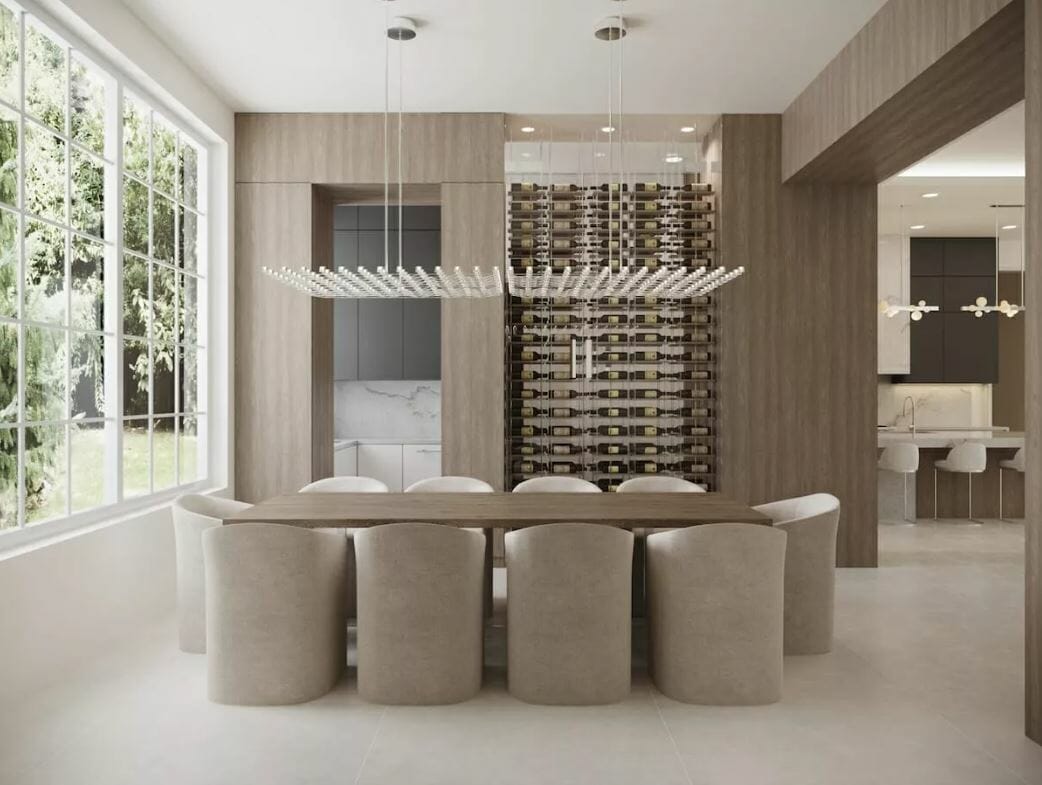
Exploring how dimension, rhythm, and visual hierarchy shape refined residential spaces.
Proportion and scale are foundational yet often underestimated principles in high-end residential interior design. Many first-time homeowners or renovation novices focus on style, material, or brand reputation when selecting furniture, but even the most expensive pieces can appear awkward, constricting, or visually dissonant if their dimensions and spatial relationships are not carefully considered. Achieving harmony in a room requires a nuanced understanding of how individual furniture pieces interact with each other, with the room’s volume, and with negative space, as well as how they influence circulation, sightlines, and daily usability. Proportion governs relationships on multiple levels: between individual pieces, between furniture and the surrounding architecture, and between occupied and empty space.
For example, a chair with a visually heavy profile may dominate a delicate side table, creating imbalance and drawing attention away from the overall composition. Conversely, a long sofa in a narrow room can compress circulation, restrict movement, and generate psychological discomfort. Well-considered proportion enables visual hierarchy, guiding the eye naturally from key statement pieces to secondary elements without overwhelming the observer. For homeowners new to design, measuring furniture in relation to floor plans and testing with mockups or tape outlines is essential to visualize proportional relationships before purchase. Scale addresses the room’s holistic composition. Oversized furnishings in modest volumes create constriction and a sense of crowding, while undersized pieces in expansive rooms feel lost and diminish the space’s intended impact.
A principle often used in professional practice is graduated scale: arranging furniture of varying sizes—intimate chairs, medium-sized sofas, and larger statement pieces—so that movement through the space feels intuitive and comfortable, while visual interest is maintained. In addition, alternating vertical and horizontal elements, such as tall bookshelves balanced by low seating or wide rugs paired with narrow tables, reinforces scale consistency and supports both aesthetic and practical requirements. A 2024 Houzz Living Space Study found that 41% of homeowners regret furniture purchases due to improper sizing or scale mismatch, highlighting how critical these principles are for long-term satisfaction. Digital renderings and catalog photos often fail to convey the true spatial perception, so I encourage clients to conduct physical walkthroughs or mockups whenever possible.
Even simple cardboard templates or modular test pieces can reveal circulation issues, proportion imbalances, and sightline interruptions that might otherwise go unnoticed. Visual hierarchy works hand in hand with proportion and scale to create functional and aesthetically pleasing interiors. Statement furniture should coexist with supporting elements such as lighting, rugs, artwork, and decorative accessories without competing for attention. Repetition in forms, materials, and color accents reinforces cohesion, guiding the inhabitant’s experience through subconscious order and emotional rhythm. For example, aligning side tables and chairs with consistent spacing, or repeating metal accents from a table base in lighting fixtures, provides subtle structure that anchors the room. Homeowners unfamiliar with design often overlook these subtleties, yet they significantly influence how a space is perceived and experienced daily. Negative space, or the deliberate inclusion of empty areas, is equally important.
Open floor zones around furniture allow circulation, create breathing room for visual clarity, and emphasize the importance of key pieces. In high-end interiors, empty areas are not wasted; they are integral to composition, proportion, and human comfort. For first-time renovators, spacing guidelines can be applied: maintain at least 900 mm for primary circulation routes and 600 mm for secondary zones, ensuring movement is fluid and spaces do not feel cramped. Practical comfort is inseparable from visual design. Correctly proportioned and scaled furniture supports posture, ergonomics, and social interaction. Dining chairs should allow adequate knee and leg room, sofas should accommodate seating for intended users without crowding, and coffee tables should be reachable without strain.
These dimensions are not arbitrary; they are informed by ergonomic research, real-world use, and cumulative design experience. Homeowners who underestimate these aspects often experience frustration, even if the furniture appears luxurious. Authority and sophistication in residential interiors emerge from the invisible choreography of form and space, not from ostentation. When proportion, scale, and hierarchy are carefully orchestrated, the room exudes effortless elegance. Residents experience simultaneous visual pleasure, functional comfort, and psychological ease. This integration fosters confidence in decision-making and encourages long-term satisfaction, particularly for novices who might otherwise rely on superficial style cues or trending designs. Sustainability and adaptability intersect with scale considerations.
Modular furniture, adjustable seating, and movable pieces allow spaces to evolve as family needs change. Oversized, fixed furnishings may dominate a room initially but fail to accommodate growing households or changing lifestyles. I advise clients to consider future-proofing when evaluating scale: leaving space for additional seating, flexible storage, or reconfigurable layouts ensures that the home remains comfortable and relevant over decades. McKinsey Home & Living’s 2025 research found that households investing in fewer, proportionally appropriate, and modular furniture pieces experienced 27% lower replacement costs over a decade, emphasizing both economic and functional advantages. In conclusion, proportion, scale, and visual hierarchy are not merely theoretical concepts; they are practical tools for creating luxurious, livable, and enduring residential interiors.
For homeowners new to design, careful planning, physical testing, and attention to human behavior are essential. By considering the relationships between furniture pieces, room dimensions, negative space, circulation, and functional needs, residents can achieve interiors that balance beauty, comfort, and long-term utility. Thoughtful orchestration of these principles transforms high-end interiors from visually impressive displays into deeply personal and sustainable homes, where elegance and practicality coexist seamlessly, and every element feels intentional and harmonious over years of daily living.





Jane Doe
ReplyThis article was a game-changer for my living room redesign! I used to think bigger furniture made a space look more luxurious, but after reading about scale and proportion, I completely changed my approach. I used the 900mm circulation rule and created cardboard templates to test furniture placement. The result is a space that feels open, balanced, and sophisticated. The section on visual hierarchy helped me understand how to arrange my sofa, coffee table, and accent chairs in a way that guides the eye naturally. I can't believe how much difference proper scale makes!