Material Integrity: How Quality Woods and Textiles Define Enduring Luxury
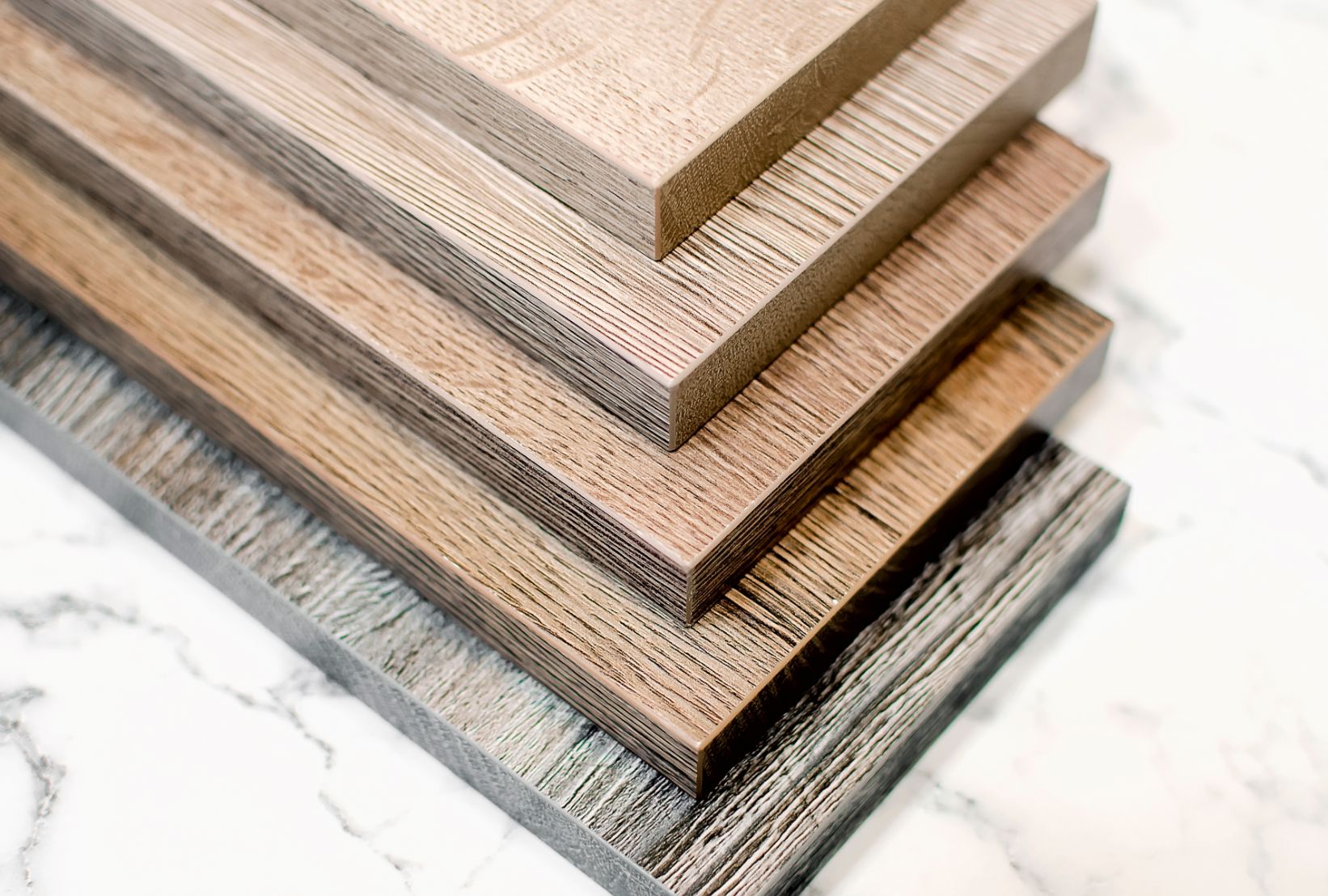
An expert exploration of why selecting superior materials ensures furniture longevity and visual coherence.
Material choice is arguably the most critical determinant of enduring luxury in residential furniture. While many first-time homeowners or renovation novices are initially drawn to surface aesthetics—color, sheen, or brand reputation—the true quality and longevity of furniture are largely dictated by the materials from which it is crafted. Selecting appropriate materials not only influences the lifespan of furniture but also affects maintenance requirements, tactile comfort, emotional engagement, and the overall narrative of a home. From my years of consulting on high-end residential interiors, I have repeatedly witnessed how thoughtful material selection transforms living spaces, creating interiors that remain visually compelling and functionally reliable over decades. Woods are among the most influential materials in luxury furniture.
Their properties vary significantly in density, grain pattern, and responsiveness to environmental changes such as humidity and temperature. Hardwoods like American walnut, European oak, teak, and ash resist deformation, maintain structural integrity, and develop a patina over time that adds character rather than wear. Softer woods, while initially appealing, are prone to dents, warping, and scratches, diminishing perceived quality and necessitating more frequent care or replacement. For homeowners new to interior design, I advise physically inspecting wood samples, considering grain variation, and asking about finishing methods. A well-sealed, high-density wood surface ensures longevity, maintains tactile warmth, and communicates subtle luxury through texture and color depth. Textiles and upholstery materials are equally critical, particularly for seating and soft furnishings.
High-end residential fabrics such as linen, silk blends, and premium wools not only offer comfort but also age gracefully, developing subtle variations and softness without compromising structural performance. Synthetic alternatives may provide initial affordability or color variety, yet they often wear unevenly, fade under sunlight, or lose resilience, creating a disconnect between initial investment and long-term satisfaction. Leather selection requires similar discernment: full-grain aniline leather develops a natural patina over years, signaling both authenticity and durability, whereas corrected, bonded, or heavily coated leathers may appear pristine initially but deteriorate quickly, losing tactile richness and visual appeal. My professional recommendation for first-time homeowners is to request sample swatches, test them in natural and artificial lighting, and consider both seasonal temperature changes and expected daily use. Material integrity extends beyond visible surfaces.
Hidden components—such as joinery, padding, fasteners, and internal frames—play an essential role in performance. Even minor deviations, such as improperly sealed edges, low-density foams, or weak dowels, can compromise comfort, structural stability, and aesthetic cohesion. In my consulting experience, clients frequently underestimate the importance of these internal elements, yet subtle inconsistencies are subconsciously perceived, affecting overall satisfaction. When advising renovation clients, I emphasize the need to verify construction quality, ask about warranties, and understand which materials can be refinished or replaced, ensuring that investments retain both functional and emotional value. For new homeowners, understanding the lifecycle and maintenance of materials is crucial.
Woods require regular dusting, occasional conditioning, and protection from direct sunlight or moisture to maintain structural integrity and appearance. Upholstery fabrics benefit from proper cleaning protocols, while leathers need conditioning to prevent cracking and maintain suppleness. Considering the practical aspects of daily life—pets, children, and foot traffic—is essential when choosing materials. In fact, a 2025 European Woodworking Federation report found that furniture made from solid hardwood retains approximately 65–70% of its structural integrity after twenty years, compared to just 40% for MDF or particleboard alternatives, demonstrating the tangible long-term advantages of investing in high-quality materials. Material selection is not only about durability—it also shapes emotional experience.
Natural woods, muted stone surfaces, and tactile fabrics contribute to a sense of calm, warmth, and authenticity within a space. When materials resonate with daily life, furniture becomes more than functional objects; it becomes part of the home’s narrative, reinforcing comfort, security, and personal attachment. For homeowners new to interior design, I recommend prioritizing material cohesion and textural interplay, ensuring that different pieces complement rather than compete with one another. This approach fosters visual harmony and contributes to what I call 'material calm,' which enhances both aesthetic and emotional satisfaction. Adaptability and future-proofing are additional considerations for first-time homeowners. Selecting materials that can be refinished, reupholstered, or repaired extends both functional lifespan and relevance.
Modular seating, replaceable veneers, and reversible finishes allow interiors to evolve alongside changing lifestyles without compromising the overall aesthetic. McKinsey Home & Living’s 2025 report indicates that households investing in fewer, high-quality furniture pieces experience 27% lower replacement costs over a decade, highlighting the economic as well as emotional benefits of thoughtful material choices. Finally, material choice communicates authority and discernment. In high-end interiors, homeowners who understand and select materials intelligently convey both taste and confidence. A living room featuring a walnut sofa, oak dining table, and hand-stitched wool rugs tells a story of refinement, consistency, and attention to detail, whereas spaces dominated by trend-driven finishes or low-quality composites often feel transient or disjointed.
For renovation novices, I advise working closely with designers to understand the properties of each material, to balance practicality with aesthetics, and to invest in pieces that promise both daily satisfaction and enduring beauty. In conclusion, material selection in high-end residential furniture is a multi-dimensional decision that impacts longevity, functionality, emotional experience, and financial value. First-time homeowners and renovation clients benefit from understanding that true luxury lies not in brand labels or initial appearance but in material intelligence, craftsmanship, and adaptability. By prioritizing solid woods, durable textiles, and high-quality finishes, and by considering hidden components and maintenance requirements, homeowners create interiors that are visually coherent, emotionally resonant, and structurally resilient.
Thoughtful material selection transforms furniture from mere objects into anchors of comfort, continuity, and lasting beauty, ensuring that every piece in a home remains relevant, functional, and cherished over decades.



Jane Doe
ReplyThis article completely changed how I approach furniture shopping! I used to focus solely on aesthetics, but now I understand the critical role of material integrity. After reading this, I invested in a solid walnut dining table instead of a cheaper veneer option. The difference in feel and quality is remarkable, and I can already see how it will develop a beautiful patina over time. The section on hidden components was particularly eye-opening - I never considered how joinery and internal frames impact longevity.