Why Luxury Homes Should Evolve, Not Remain Frozen in Design Time
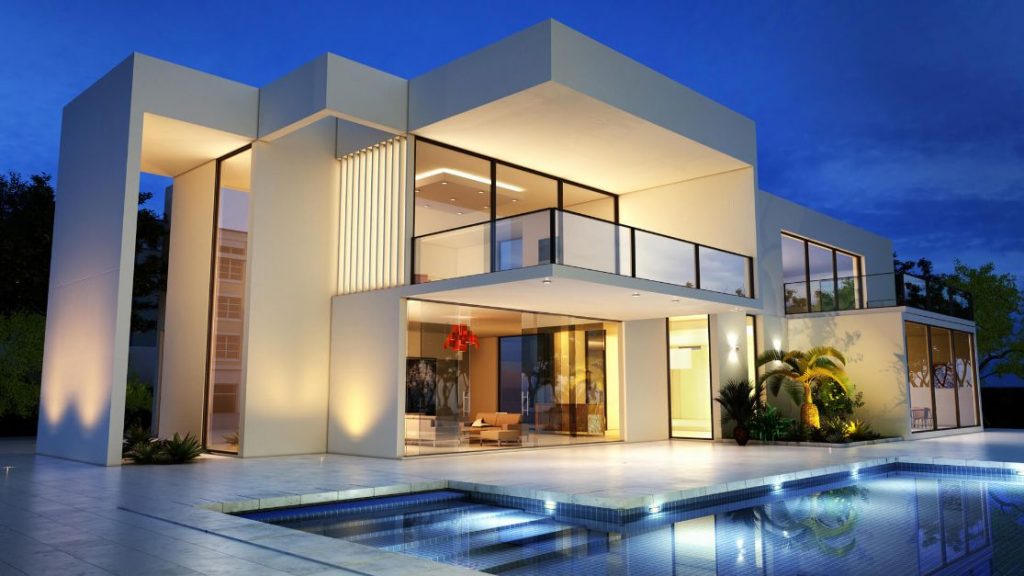
A long-term perspective on designing homes that adapt to life changes without losing coherence.
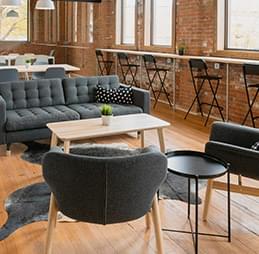
One of the most overlooked principles in high-end residential design is adaptability, yet it is arguably one of the most critical factors for creating homes that remain functional, comfortable, and emotionally satisfying over decades. Many luxury residences are conceived as visually complete compositions—carefully curated color palettes, matched materials, and statement furniture pieces arranged to impress at first glance. While these homes achieve immediate aesthetic impact, they frequently struggle to accommodate life transitions, evolving routines, or changes in household composition. The absence of adaptability often undermines the long-term satisfaction of homeowners, highlighting a gap between visual sophistication and practical resilience. Furniture is central to adaptability. High-end interiors that anticipate change incorporate modular seating systems, movable furniture, and flexible spatial layouts.
For example, sectional sofas that allow reconfiguration can shift from accommodating large social gatherings to supporting intimate family evenings without requiring additional purchases or renovations. Tables with extendable leaves, chairs that can be relocated easily, and storage units with customizable compartments provide both functional versatility and aesthetic consistency. Luxury, in this context, is not rigid perfection—it is the capacity of a home to evolve gracefully alongside the lives of its inhabitants. From a practical perspective, adaptability involves both spatial and temporal foresight. Homes that age well provide generous circulation margins, clear visual anchors, and neutral palettes that support future reinterpretation. These elements allow furniture to be recontextualized without disrupting visual balance or undermining the interior’s authority.
For instance, a living room designed with flexible seating zones and uncluttered circulation paths can accommodate the arrival of children, pets, or unexpected gatherings, maintaining both functionality and elegance. Overly rigid layouts, by contrast, quickly feel confining and can compel costly remodeling to address changing needs. Material selection further reinforces adaptability. Furniture constructed with durable, high-quality components can be refinished, reupholstered, or adjusted without compromising integrity. Solid woods, high-density veneers, and engineered metals offer longevity, while modular hardware systems and replaceable elements extend functional relevance. In my professional experience, clients who prioritize adaptable materials report lower replacement costs, greater satisfaction with their interiors, and a deeper emotional connection to their homes.
A walnut dining table with replaceable leaves, for example, not only accommodates growing families but also preserves its structural and aesthetic value over decades, demonstrating that adaptability need not sacrifice luxury or authority. Adaptability also encompasses lifestyle alignment. High-end interiors should support a wide range of daily activities—from solitary work or study to social gatherings, from playtime with children to hosting formal dinners. Flexible furniture placement, multi-functional pieces, and thoughtful zoning allow homeowners to shift spaces according to need without visual or functional disruption. In a recent renovation project, we implemented movable shelving, adjustable seating clusters, and versatile lighting arrangements, enabling a single large room to transition seamlessly between a play area, a dining space, and a quiet reading corner.
This adaptability elevated both the functionality and emotional satisfaction of the space, reinforcing trust and perceived value. Authority in residential design stems from anticipating change rather than resisting it. Homes that demonstrate foresight—through flexible layouts, modular furniture, and neutral anchors—communicate maturity and design intelligence. These spaces feel intentional yet resilient, providing psychological comfort as they accommodate new routines, family expansion, or shifting aesthetic preferences. In contrast, interiors that prioritize spectacle over flexibility often feel static, impressive only at first glance, and quickly become impractical or emotionally stifling. Adaptability also intersects with sustainability. Furniture and interiors designed to evolve reduce the need for frequent replacement, aligning with environmentally responsible living.
Modular systems, replaceable components, and durable finishes prolong the functional lifespan of furniture, minimizing material waste while maintaining luxury standards. Clients increasingly value this dual benefit: homes that remain beautiful and functional while supporting sustainable practices. Finally, emotional adaptability is equally important. Homes that allow occupants to modify, rearrange, or personalize furniture layouts support a deeper connection to the space. Residents develop rituals, associate furniture with life events, and create a sense of ownership and continuity. This psychological flexibility fosters long-term satisfaction, making the home feel alive and responsive rather than static or imposing. In conclusion, adaptability is a defining hallmark of lasting luxury in residential interiors.
High-end homes should be designed not as fixed compositions but as living environments that accommodate change, support evolving lifestyles, and maintain aesthetic authority over time. By integrating flexible furniture, modular systems, thoughtful circulation, and durable materials, homeowners create spaces that are functional, emotionally resonant, and enduringly elegant. Ultimately, the luxury of a home lies not in its immediate visual impact but in its capacity to evolve gracefully alongside the lives it shelters, providing comfort, relevance, and personal significance for decades.



Jane Doe
ReplyThis article perfectly articulates what I’ve been experiencing in my own home! When we first moved in, we designed a beautiful, cohesive space that looked perfect in photos. But as our family grew and our needs changed, the rigid layout became problematic. After reading this, we invested in modular seating and extendable dining furniture, and it’s made all the difference. Our space now adapts to everything from family movie nights to large dinner parties without losing its sense of style. The idea that luxury should be adaptable rather than static is a game-changer.