Quiet Luxury vs. Visual Luxury: What Actually Lasts in Residential Design
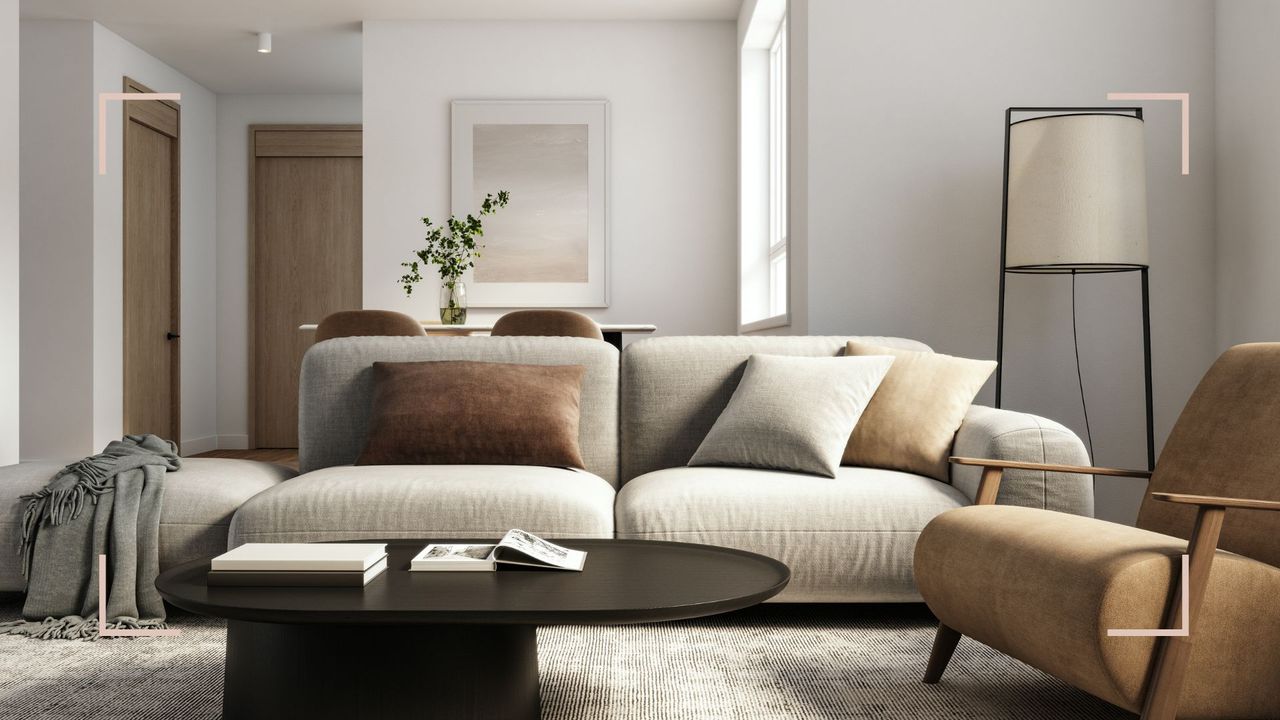
An experienced designer’s perspective on why understated interiors age better than visually aggressive luxury spaces.
In recent years, the term "quiet luxury" has gained popularity, yet it is often misunderstood as a trend rather than a design philosophy. In residential interiors, the distinction between quiet luxury and visual luxury determines whether a home matures gracefully or becomes dated within a decade. As a designer with over 15 years of experience working with high-end clients, I've observed firsthand how these two approaches play out over time.
Visual luxury relies on immediate impact: bold forms, high-contrast materials, dramatic finishes, and furniture designed to impress at first glance. Think oversized statement pieces, excessive gold accents, and attention-grabbing patterns. While this approach photographs well and creates an initial "wow" factor, it frequently struggles in long-term residential use. I've had clients report feeling emotionally exhausted by spaces that demand constant attention, and many find these environments difficult to adapt as their lifestyles evolve—whether that means accommodating a growing family or shifting to remote work.
Quiet luxury, by contrast, is cumulative. It reveals itself through consistency, proportion, and tactile experience. Furniture pieces are selected not to dominate attention, but to support daily rituals—sitting, dining, resting, gathering. Materials are chosen for how they age, how they feel under the hand, and how they respond to natural light across seasons. A well-crafted oak table, for example, develops a beautiful patina over time, while a cashmere throw becomes softer with each use.
The psychological impact of these two approaches is significant. Visual luxury often creates a sense of performance—residents feel they must maintain a certain lifestyle to match the space. Quiet luxury, however, fosters emotional security. The home becomes a place of restoration rather than performance. I've worked with clients who describe their quiet luxury spaces as "calming" and "grounding," noting how they feel more present and connected to their environment.
One of my most memorable projects involved transforming a visually aggressive luxury penthouse into a quiet luxury retreat. The original space featured bold contrasting colors, oversized furniture, and dramatic lighting. The clients, a busy professional couple, found the space overwhelming and rarely used their living areas. By introducing a neutral color palette, selecting furniture with clean lines and natural materials, and prioritizing comfort and functionality, we created a space that felt both luxurious and livable. A year later, the clients reported using their home more fully and feeling more at ease in their environment.
From a design perspective, quiet luxury requires greater discipline and attention to detail. It's not about simply using expensive materials, but about selecting the right materials for the right context. It's about understanding how light interacts with surfaces, how furniture proportions relate to room size, and how textures create depth without overwhelming the senses. Authority in design emerges through this restraint and coherence rather than through spectacle.
Another key difference is in how these spaces age. Visual luxury spaces often feel dated within 5-7 years as trends change. The bold patterns, excessive finishes, and attention-grabbing elements that once seemed cutting-edge quickly become tired. Quiet luxury spaces, however, age gracefully. Their timeless quality means they remain relevant and beautiful for decades. I've revisited homes I designed 10-15 years ago that still feel fresh and current, precisely because they were rooted in quiet luxury principles.
Ultimately, the longevity of a luxury home depends less on how striking it appears initially and more on how deeply it supports the lives lived within it. Quiet luxury endures because it is rooted in human experience, not visual excess. It's about creating spaces that adapt to their residents, rather than requiring residents to adapt to the space. In a world that often feels chaotic and overwhelming, quiet luxury offers a welcome refuge—a place of calm, beauty, and enduring value.



Jane Doe
ReplyThis article perfectly articulates what I’ve been feeling for years! I went through a phase of loving bold, statement-making interiors, but I found myself constantly rearranging and redecorating as trends changed. After reading this, I’ve embraced quiet luxury in my home, focusing on natural materials, clean lines, and timeless pieces. My space now feels calm and grounded, and I don’t feel the need to update it every season. The psychological impact of quiet luxury is profound – my home is now a true retreat from the chaos of daily life.