Foundations of High-End Furniture Selection: From Materials to Long-Term Value
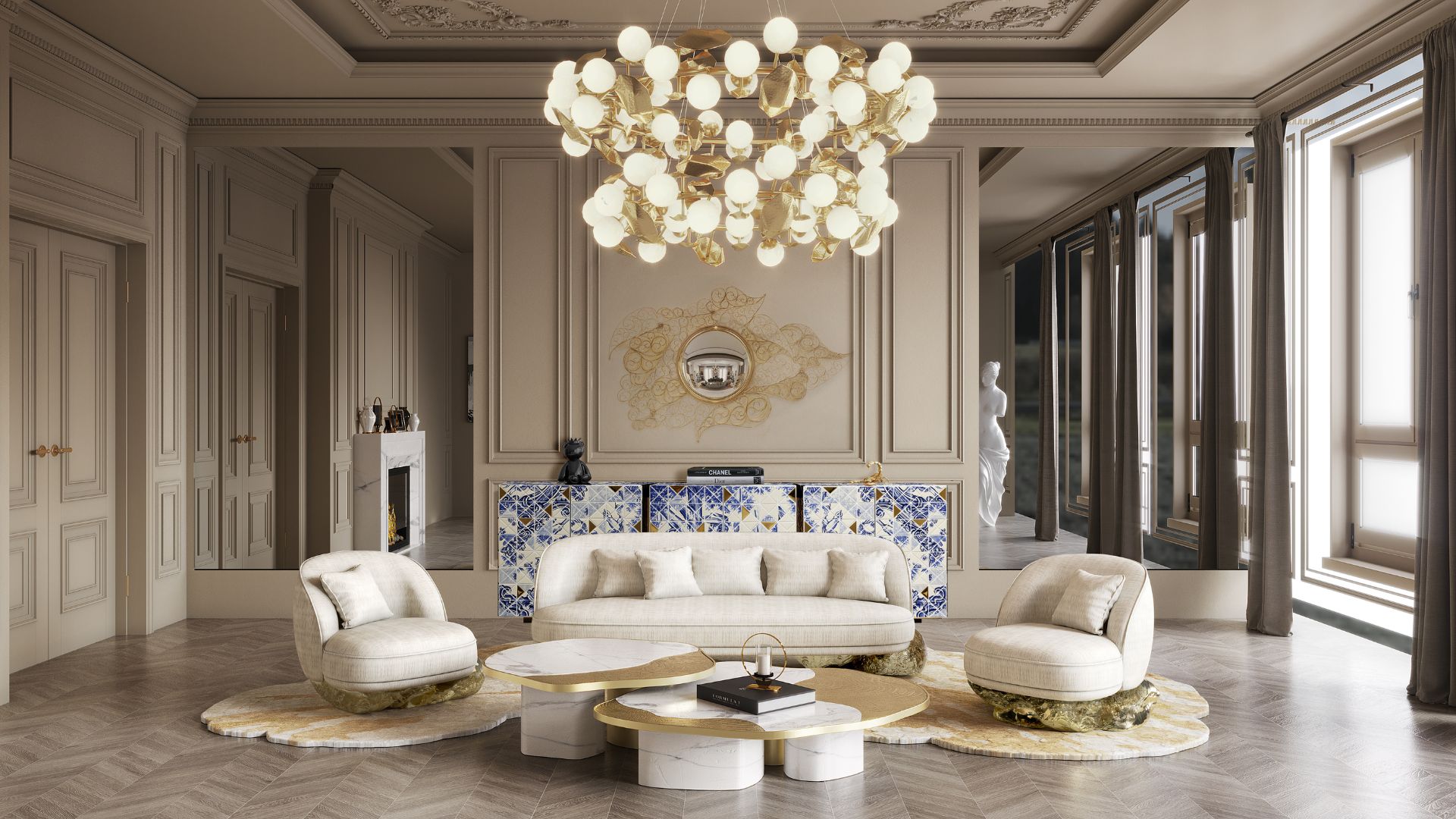
A professional framework for first-time homeowners to understand how material quality, construction, and lifecycle value define true high-end furniture.
Selecting high-end furniture is a multi-layered process that requires careful evaluation of materials, construction, ergonomics, spatial planning, and long-term value. In my professional experience, many first-time homeowners and renovation clients assume that price or brand reputation guarantees quality. However, the reality of luxury furniture is far more nuanced. True high-end furniture combines durability, human-centered design, aesthetic coherence, and maintenance practicality, resulting in pieces that not only look refined but perform reliably over decades.
Materials as the Foundation of Quality
Material selection is the cornerstone of high-end furniture. Solid hardwoods such as American walnut, European oak, and ash remain the gold standard because of their density, stability, and ability to develop a natural patina with age. According to the 2025 European Woodworking Federation report, furniture made from solid hardwood retains 65–70% of its original structural integrity after twenty years, whereas MDF or particleboard alternatives retain only 40%. These statistics illustrate the importance of choosing structurally sound materials for long-term performance.
Upholstery is equally critical. Full-grain aniline leather and high-quality wool blends are preferred in luxury interiors because they maintain durability while developing an appealing patina. Synthetic fabrics, while inexpensive and versatile, often wear quickly and compromise both comfort and perceived value. I always advise clients to physically interact with upholstery samples, as tactile quality and flexibility are essential for daily comfort.
Craftsmanship and Joinery
Construction techniques define the authority and longevity of luxury furniture. Precision joinery, such as mortise-and-tenon or dowel-reinforced joints, ensures structural stability over decades. In contrast, cam-lock or staple-assembled furniture may appear refined externally but fails under repeated stress. During consultations, I instruct clients to inspect interior frames and joints, as these reveal the true level of craftsmanship.
Drawer and door hardware also matter. High-end furniture uses soft-close and full-extension mechanisms rated for tens of thousands of cycles. Reliable hardware enhances the user experience and signals trustworthiness, showing that the manufacturer prioritizes durability over aesthetics alone.
Ergonomics and Human-Centered Design
Furniture exists to support human interaction. Seat heights, back angles, armrest positions, and table heights must be calibrated for comfort and posture. For instance, lounge chairs typically have a seat height of 420–450 mm and a back angle of 100–110 degrees, supporting prolonged seating without fatigue. Dining tables are ideally 720–740 mm high. Improper measurements reduce comfort and diminish the perceived quality of the furniture.
Spatial placement is equally important. Oversized sofas can block sightlines and hinder circulation, while small-scale furniture in large rooms can feel insignificant. I frequently use scaled floor plans and 3D visualizations to guide clients in optimizing spatial relationships before committing to purchases.
Long-Term Value Assessment
High-end furniture should be treated as a long-term investment. Pieces that allow refinishing, reupholstering, or hardware replacement preserve financial and emotional value. The 2025 McKinsey Home & Living Report indicates that households focusing on fewer high-quality furniture pieces experience 27% lower replacement costs over a decade than trend-driven buyers. One client invested in a walnut dining table with replaceable veneers; after fifteen years, the table maintained both structural integrity and visual appeal, while cheaper alternatives required replacement multiple times.
Spatial Coherence and Visual Harmony
Furniture must integrate with the surrounding space. Poor scaling, disproportionate elements, or mismatched styles disrupt visual balance and circulation. Symmetry, repeated line weights, and coherent color palettes contribute to a sense of authority and refinement. I often create modular mock-ups or 3D renderings to help clients understand proportional relationships and circulation before purchase, ensuring that the final layout is functional, aesthetically balanced, and comfortable.
Sustainability and Ethical Responsibility
Luxury homeowners increasingly prioritize sustainability and ethical sourcing. Choosing FSC-certified woods ensures responsible resource management and environmental accountability. Durable materials also reduce the need for replacements, minimizing ecological impact. I advise clients to consider both longevity and responsible sourcing when selecting furniture, as these decisions align with modern luxury values.
Lessons from Professional Experience
Over years of consulting, I’ve observed that clients who approach furniture selection methodically enjoy interiors that age gracefully. One first-time homeowner selected a walnut sofa, solid oak dining set, and leather lounge chair after analyzing material quality, ergonomics, and adaptability. Ten years later, all items remained functional and aesthetically pleasing, while trend-driven accent pieces had been replaced several times. This illustrates that true luxury is defined by durability, human experience, and sustained satisfaction rather than fleeting style trends.
Another renovation project involved a high-end apartment where clients initially overfilled the space with visually impressive but oversized items. After reassessing scale, circulation, and functional zones, we rearranged and substituted furniture with proportionally appropriate pieces. The result was a cohesive, inviting living space that retained authority, comfort, and longevity, demonstrating the impact of thoughtful planning.
Conclusion
High-end furniture selection is more than an aesthetic exercise; it is a complex integration of materials, craftsmanship, ergonomics, spatial intelligence, long-term value, and sustainability. First-time homeowners and renovation clients benefit from understanding that authority and trust emerge from structural quality, functional performance, and durable design—not brand hype or surface embellishments. Thoughtful, human-centered decision-making results in interiors that endure, provide comfort, and communicate refined taste for decades.
Ultimately, luxury furniture achieves its highest purpose when it performs seamlessly, adapts over time, and becomes a trusted foundation of daily life, visual satisfaction, and emotional comfort. By prioritizing disciplined selection, homeowners invest not only in objects but in long-term quality, lifestyle enhancement, and enduring aesthetic authority.


Jane Doe
ReplyThis article was a game-changer for me! I used to think high-end furniture was just about price, but now I understand the importance of materials and construction. The section on solid hardwoods versus engineered materials helped me make an informed decision when buying a dining table - I ended up choosing solid walnut, and it's already showing signs of developing a beautiful patina.
Jessica Brown
ReplyThe section on joinery techniques was eye-opening. I had no idea that mortise-and-tenon joints are so much more durable than cam-lock assemblies. When I was shopping for a bed frame, I specifically looked for this type of construction, and it's made a huge difference in the stability and quietness of my bed. This article taught me to look beyond the surface and understand what truly makes furniture high-quality.