Custom vs. Ready-Made High-End Furniture: Decision Logic for New Homeowners
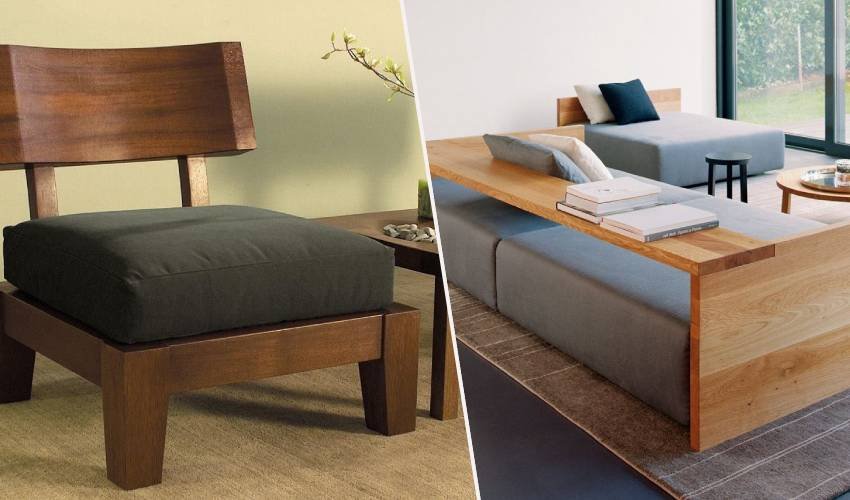
A strategic comparison for new homeowners evaluating when custom high-end furniture adds real value and when ready-made pieces offer better long-term performance and flexibility.
Custom furniture carries an inherent aura of exclusivity, offering homeowners the opportunity to realize highly personalized solutions that respond to spatial constraints, aesthetic preferences, and functional requirements. However, first-time homeowners frequently struggle to determine whether bespoke pieces deliver genuine long-term value or simply introduce unnecessary complexity. Professional practice indicates that the choice between custom and ready-made high-end furniture should be guided by measurable performance, spatial intelligence, lifestyle alignment, and adaptability rather than perceived prestige alone.
When Custom Furniture Makes Sense
Custom furniture excels in environments characterized by non-standard layouts, architectural nuances, or specialized functional demands. Irregular floor plans, integrated storage needs, built-in shelving, and niche architectural features often necessitate bespoke solutions. According to the 2024 Residential Design Efficiency Study, properly implemented custom furniture improved usable space efficiency by up to 22% in irregular or constrained layouts. Bespoke cabinetry, corner seating, and tailor-made storage can optimize both circulation and visual cohesion, ensuring that every square meter contributes meaningfully to functionality and aesthetic continuity.
Despite its advantages, custom furniture requires precise planning and consideration of lifecycle adaptability. Fixed dimensions, integrated components, and permanent design decisions can restrict flexibility during future renovations, relocation, or changing household needs. Professional consultants often caution against over-customization for early-stage homeowners, recommending that bespoke interventions be reserved for areas where standard solutions cannot meet performance or ergonomic requirements.
The Strength of Ready-Made High-End Furniture
Ready-made luxury furniture benefits from standardized engineering, extensive prototyping, and real-world performance validation. Manufacturers refine ergonomics, proportions, joinery, and structural systems through iterative production cycles, reducing the risk of design flaws and enhancing reliability. The 2025 Global Residential Furniture Performance Report found that modular high-end systems retained structural integrity and user satisfaction at over 90% after ten years of daily use, demonstrating the long-term dependability of standardized luxury products.
High-end modular furniture further enhances adaptability and long-term utility. Sofas with reconfigurable sections, tables with extension leaves, and storage units with adjustable shelves allow homeowners to respond to evolving functional needs without incurring the costs of complete replacement. In practice, modular systems balance aesthetic cohesion, ergonomic consistency, and functional flexibility, providing a reliable backbone for residential interiors.
Cost, Time, and Risk Considerations
Custom furniture often carries higher upfront costs and longer production timelines. Lead times, revision cycles, and coordination with multiple artisans introduce logistical risks that can complicate project schedules. Conversely, high-quality ready-made furniture provides transparent pricing, predictable delivery, and pre-validated ergonomics. The 2025 Global Residential Furnishing Survey reported that first-time homeowners who prioritized adaptable ready-made furniture reported 18% higher satisfaction rates over five years compared to those who invested heavily in fixed custom installations. This suggests that predictability and tested performance often outweigh exclusivity when long-term satisfaction and usability are measured.
A Balanced Professional Approach
Professional practice demonstrates that the most successful interiors frequently combine both custom and ready-made approaches. Custom solutions address specific architectural or functional challenges, while ready-made high-end pieces define primary living functions and provide flexibility. For example, one client selected custom cabinetry for an irregular alcove while relying on modular seating, extendable dining systems, and adjustable storage for adaptable living areas. This hybrid strategy preserved spatial efficiency, individuality, and functional adaptability while minimizing long-term constraints and replacement costs.
Material, Ergonomic, and Aesthetic Integration
Regardless of custom or ready-made origin, material intelligence and ergonomic calibration are critical. Premium hardwoods, engineered veneers, high-density foam, and performance fabrics must be integrated to ensure durability, tactile satisfaction, and visual consistency. Ergonomic standards—including seat heights between 420–450 mm, backrest angles of 100–110 degrees, and appropriate reach distances for storage units—ensure comfort and functionality. Custom or modular furniture that neglects these parameters often results in user fatigue, premature replacement, or diminished spatial harmony.
Long-Term Value and Lifecycle Considerations
Long-term adaptability is central to professional furniture strategy. Pieces that allow for reconfiguration, component replacement, or refinishing extend relevance across changing household needs. According to the 2025 McKinsey Home Living Study, households prioritizing furniture that combined durability, ergonomic integrity, and adaptability experienced 27% lower replacement costs over a ten-year period than trend-driven buyers. By strategically blending custom solutions where necessary with high-performance ready-made pieces, homeowners achieve superior cumulative value, reduced environmental impact, and sustained aesthetic and functional coherence.
Conclusion
Custom furniture is a powerful tool for addressing spatial and functional specificity, offering unmatched personalization and architectural integration. Ready-made high-end furniture provides tested ergonomics, predictable performance, and long-term adaptability. For first-time homeowners, the greatest value is achieved not through extremes but through an informed, professional strategy that aligns furniture selection with spatial conditions, lifestyle needs, and future adaptability. Luxury in residential interiors is defined not solely by exclusivity or brand prestige, but by the intelligent convergence of design, material performance, ergonomic comfort, visual refinement, and lifecycle value. By understanding and applying these principles, homeowners can create interiors that are functional, visually compelling, and resilient over decades.


Jane Doe
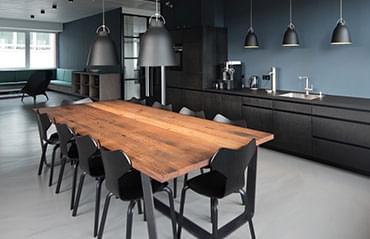
ReplyI went back and forth on this decision for months! The article's framework for evaluating when custom makes sense versus when ready-made is better was exactly what I needed. I ended up going with a custom dining table because I needed specific dimensions, but chose ready-made chairs that offered better value for the quality level.
Jessica Brown
ReplyAs an interior designer, I constantly help clients navigate this choice. The article's point about custom pieces being better for statement items while ready-made works well for supporting pieces is spot-on. I recommend custom for things like dining tables and sofas where dimensions matter, but ready-made for side tables and accent chairs where standard sizes work fine.